Artificial jewellery typically lasts one to three years of regular wear before the finish visibly dulls. The finish wears out from friction, sweat, perfume and moisture - not from age. A piece worn twice a month can look new for five years; the same piece worn daily may fade within one.
What actually wears the finish off?
Four things, roughly in order of how much damage they do:
| Cause | What it does | Most affected |
|---|---|---|
| Friction | Physically abrades the coating | Rings, bracelets, chain links |
| Sweat and skin acidity | Corrodes the base alloy through micro-gaps | Anything worn against skin all day |
| Perfume, deodorant, lotion | Alcohol and oils break down the sealant | Necklaces, sprayed at the neck |
| Humidity and water | Oxidises exposed base metal | Everything, especially in monsoon |
Note what is not on that list: time in a drawer. A sealed piece stored dry does not degrade on its own. Almost all wear is contact wear.
Which pieces last longest, and why?
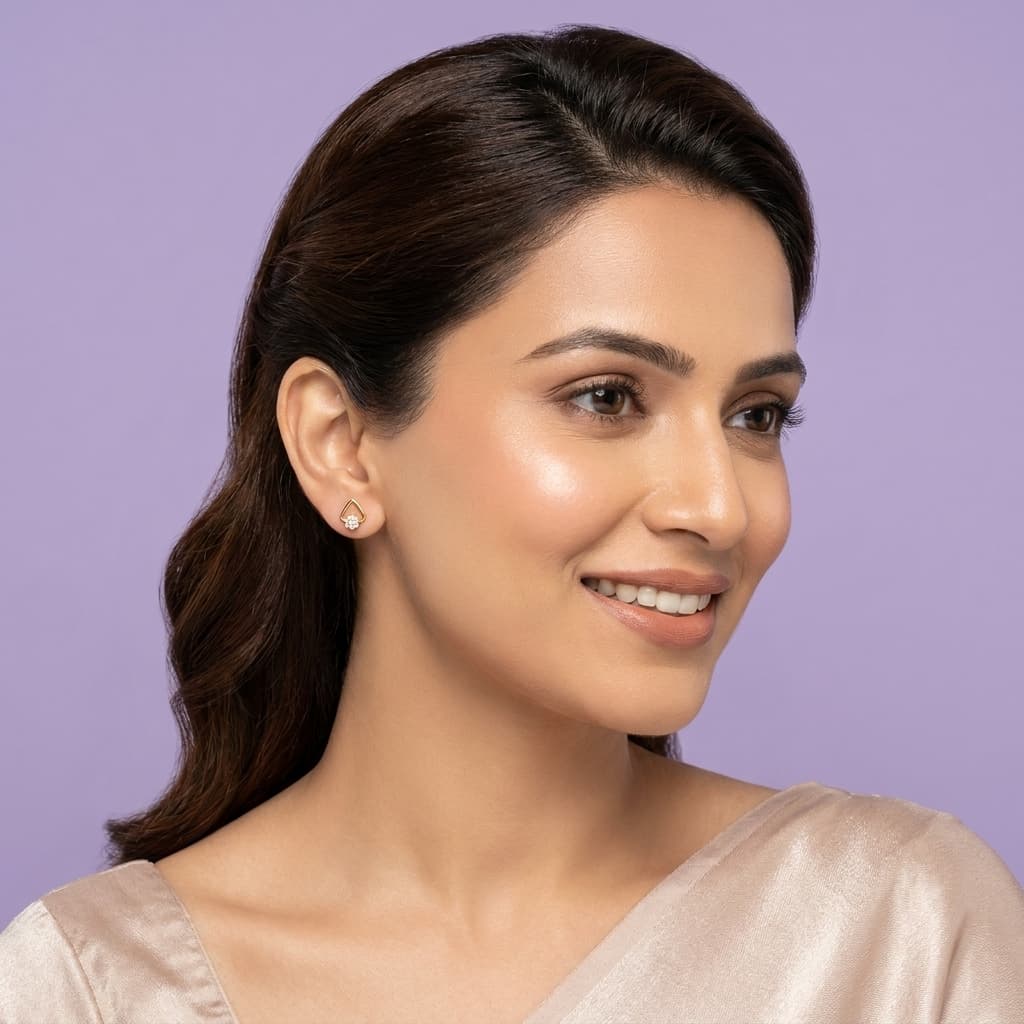
Earrings outlast everything else by a wide margin, because they barely touch anything. A stud sits in a lobe, encounters no friction, and is rarely sprayed directly.
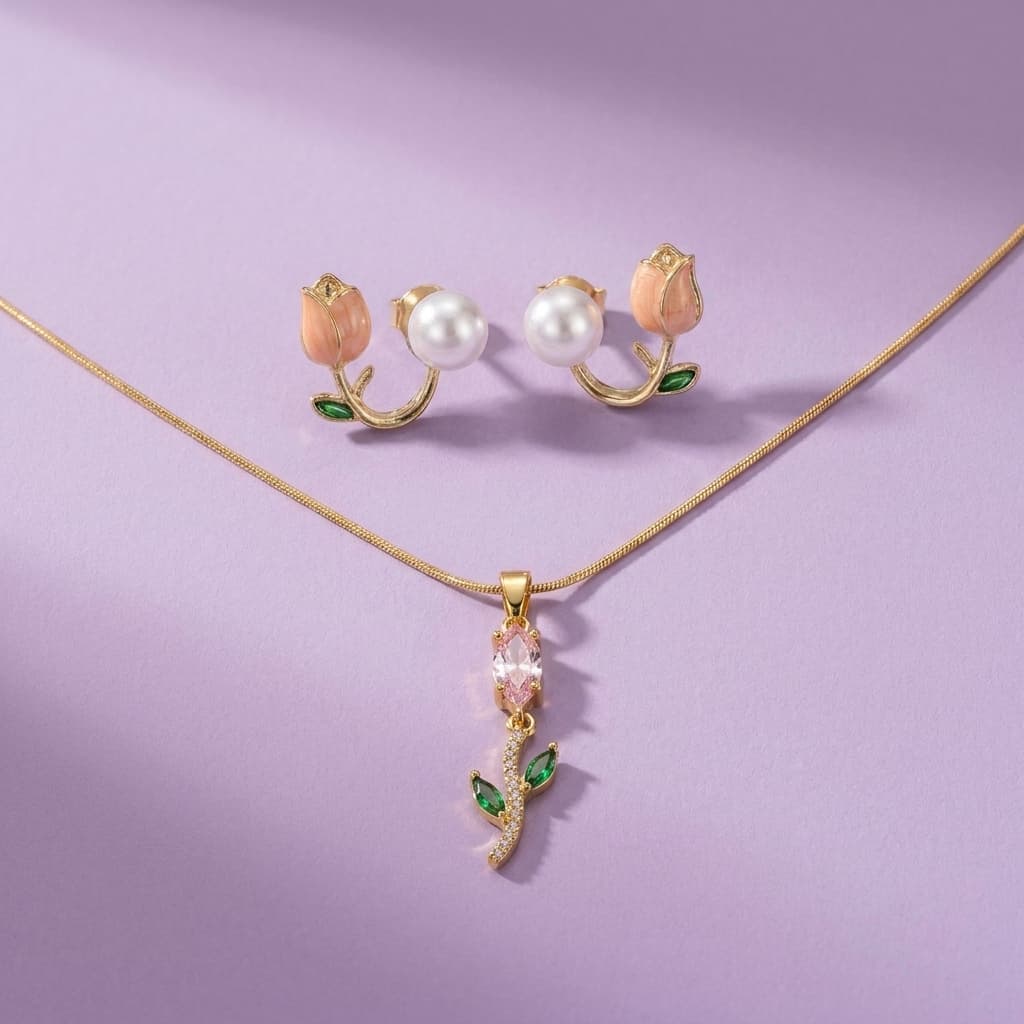
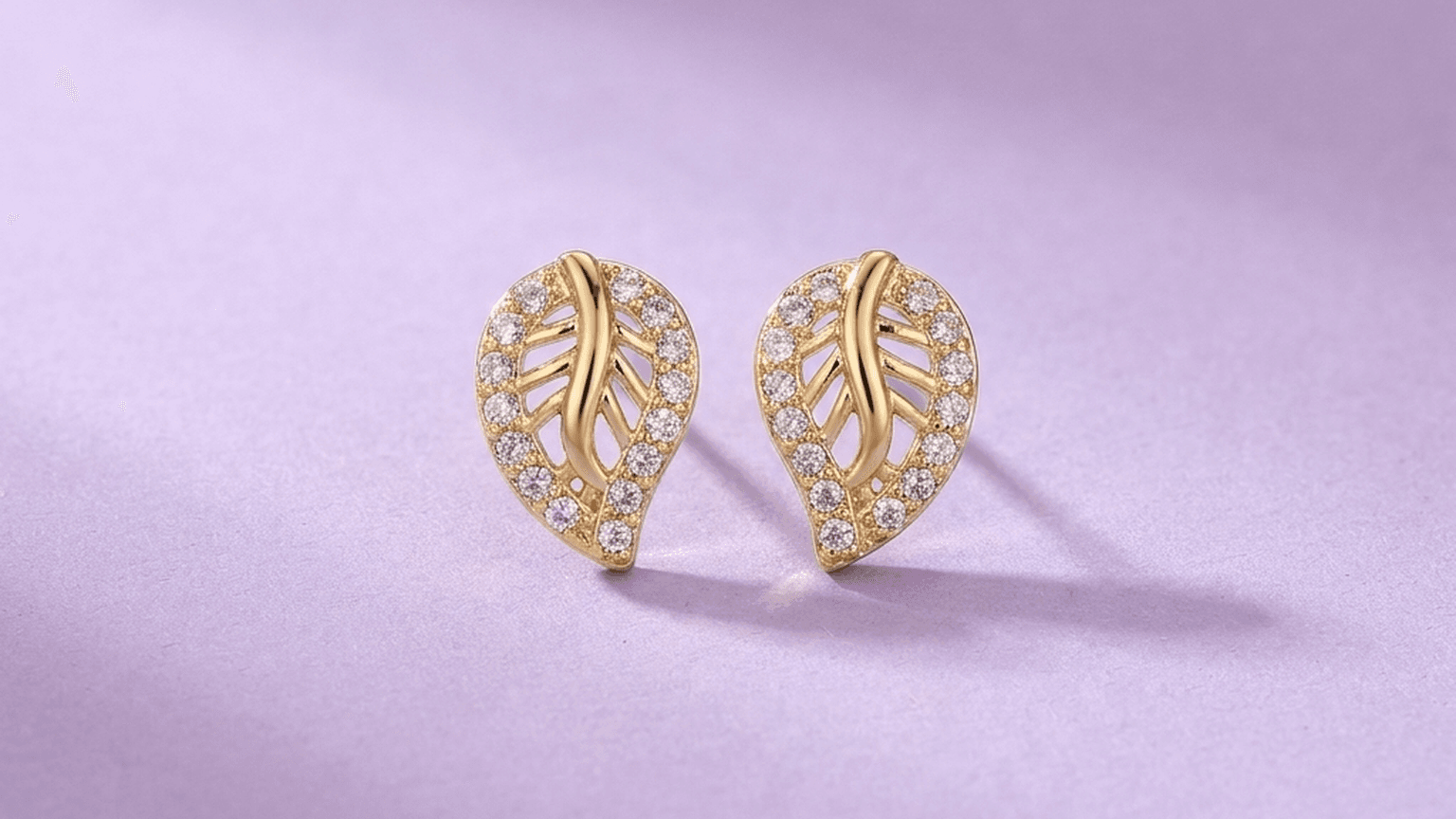
Rings wear fastest for the opposite reason - hands are washed, they knock against surfaces, and the band rubs continuously against adjacent fingers. Bracelets sit second because they drag across desks and sleeves. crystal-edged-gold-leaf-studs will realistically outlive a ring bought the same day by two or three times.
Does more expensive artificial jewellery last longer?
Up to a point, then it stops mattering. Within the artificial category, price mostly buys a better base metal, a thicker protective coat and better findings - the clasps, posts and hinges that usually fail first.
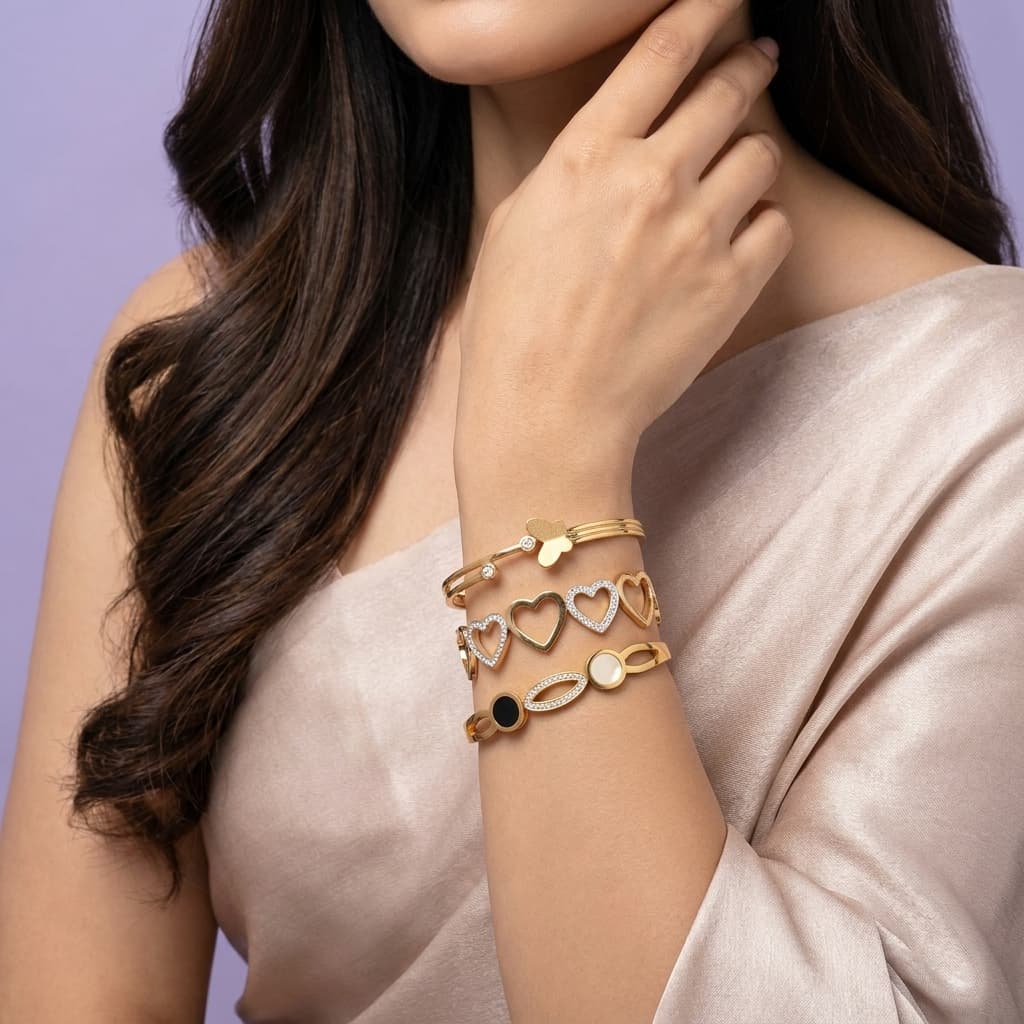
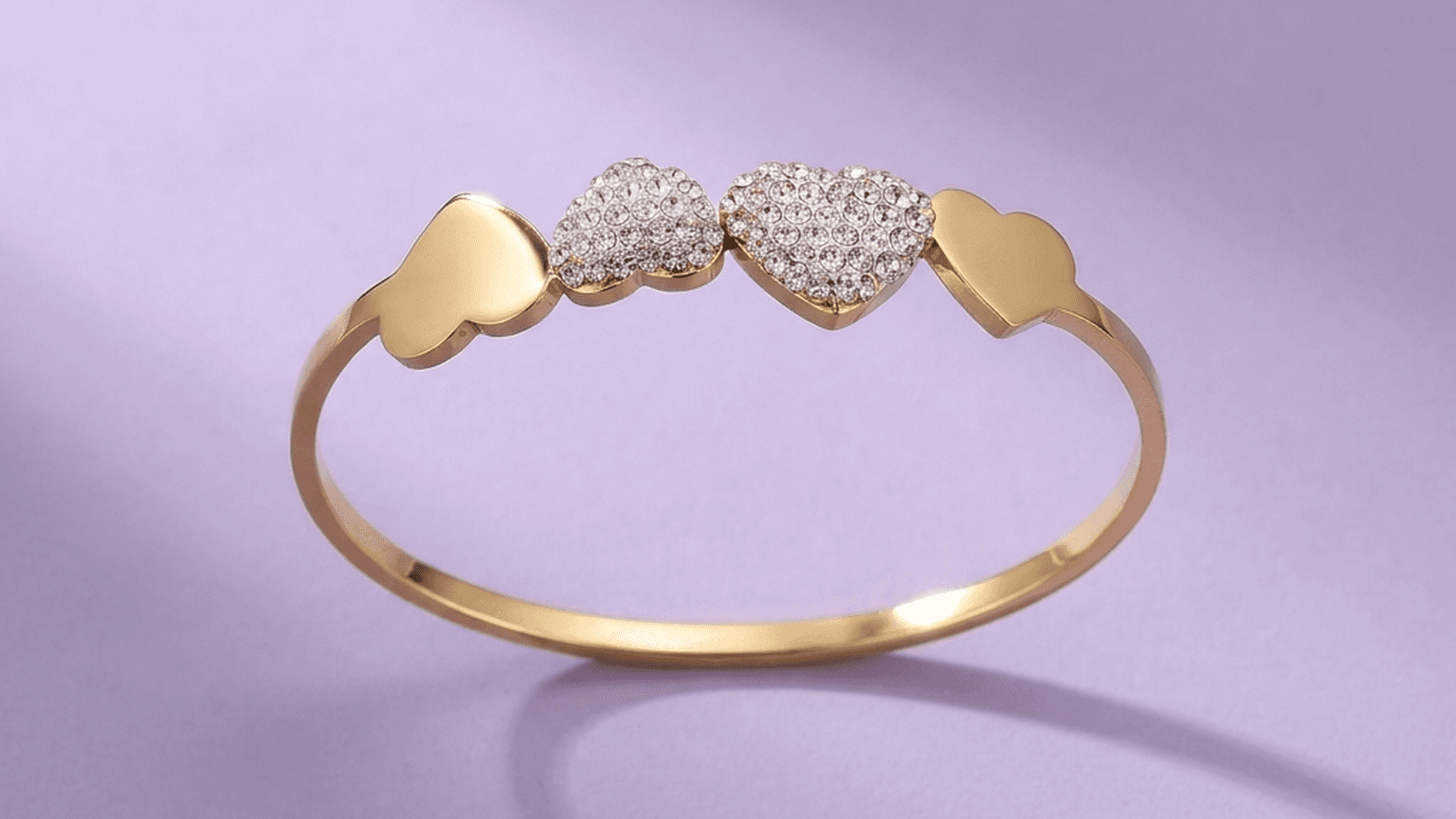
Beyond roughly ₹1,000 a piece, extra cost tends to go into design and brand rather than durability. A ₹299 piece with a sealed finish and a solid post can outlast a ₹2,000 piece with an exposed alloy and a weak clasp. Four Heart Crystal Open Cuff Bracelet lasts partly because it has no clasp at all - the single most common point of failure is simply absent.
How do you make artificial jewellery last longer?
Five habits, in order of how much difference they make:
- Last on, first off. Jewellery goes on after perfume, lotion and hairspray, and comes off before anything else.
- Wipe after wearing. Ten seconds with a dry soft cloth removes the sweat that would otherwise sit on it overnight.
- Store dry and separate. A pouch or a lined box - not a shared bowl where pieces scratch each other.
- Take it off for water. Showering, swimming, washing up. Water is where most finishes actually die.
- Rotate. Six pieces worn in turn last far longer than two worn constantly.
The full method is in how to clean artificial jewellery at home and our care guide.
Can a faded piece be restored?
Usually not, and this is the honest limit of the category. Once a gold-toned finish has worn through to the base metal, there is no home remedy that puts it back - polishing removes more of the remaining coat rather than restoring it.
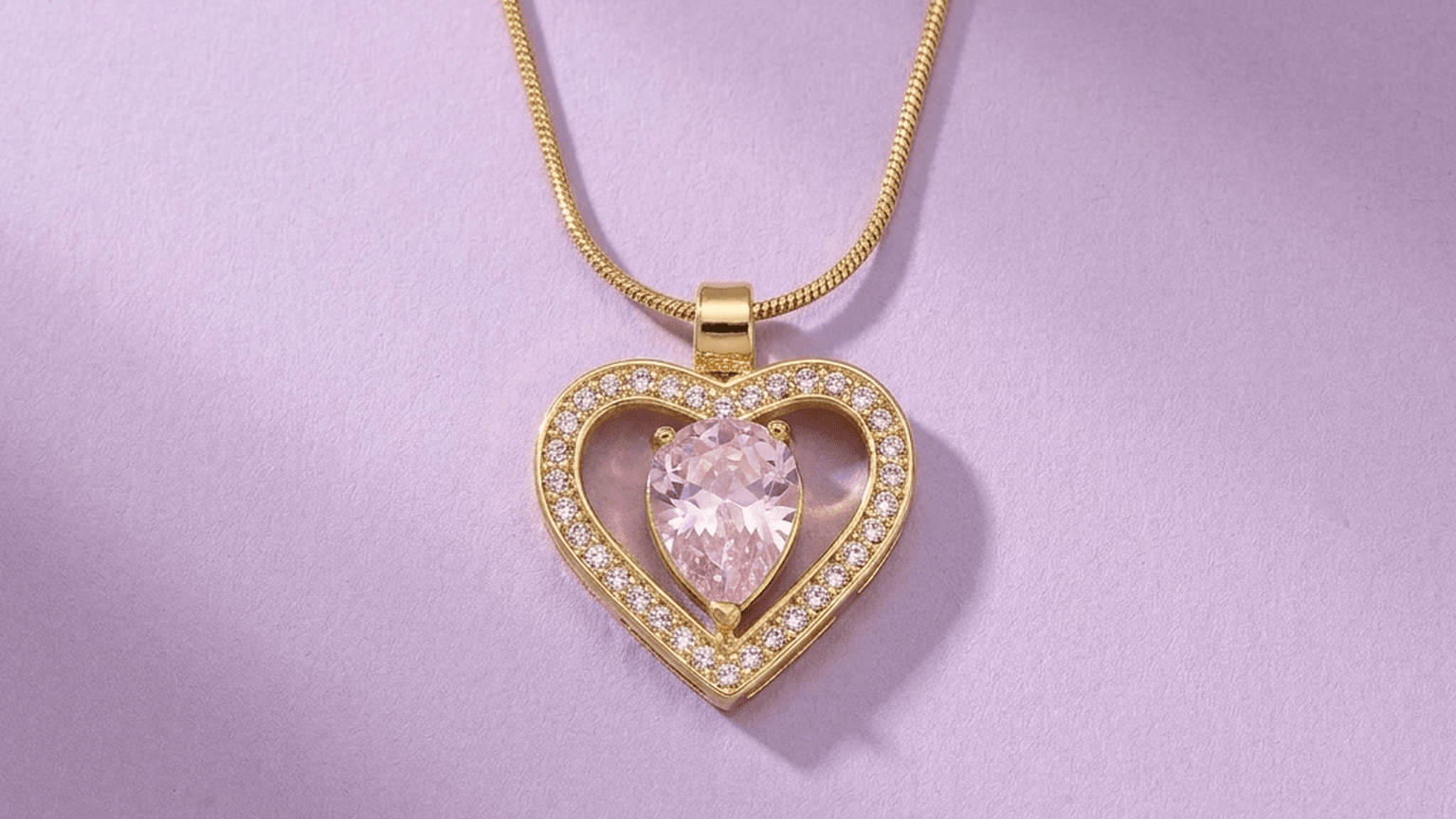
Gold plated pieces can sometimes be professionally replated, though in India the cost of replating often approaches the cost of the piece. For gold toned jewellery, replacement is the realistic answer, which is why Gold-Toned Oval Medallion Snake Chain is priced at ₹499 rather than ₹4,999. Buying into a category that is replaceable is the point, not a compromise within it.
Is that lifespan reasonable?
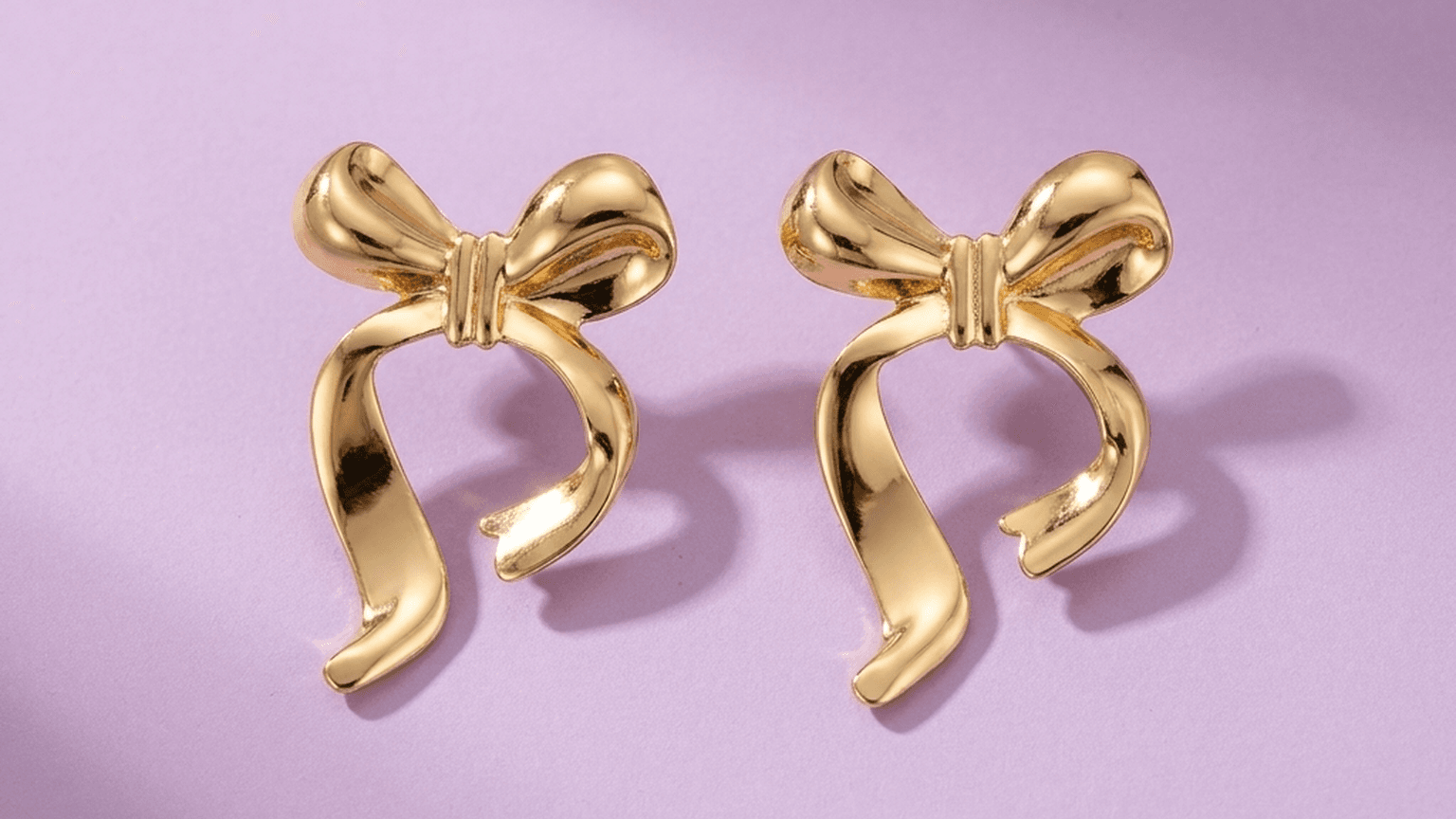
Set against what it costs, yes. Circular Wreath Studs With Bow Detail at ₹299 worn weekly for two years works out to under ₹3 per wear. The same calculation on a ₹15,000 gold pair needs a decade of steady wear to land anywhere near it.
Where it is not reasonable is anything meant to be permanent - a piece for a milestone, or something to hand on. Those are gold's job, and no amount of care makes a gold-toned finish do it.
Browse everything we make, or read about what anti-tarnish actually means.