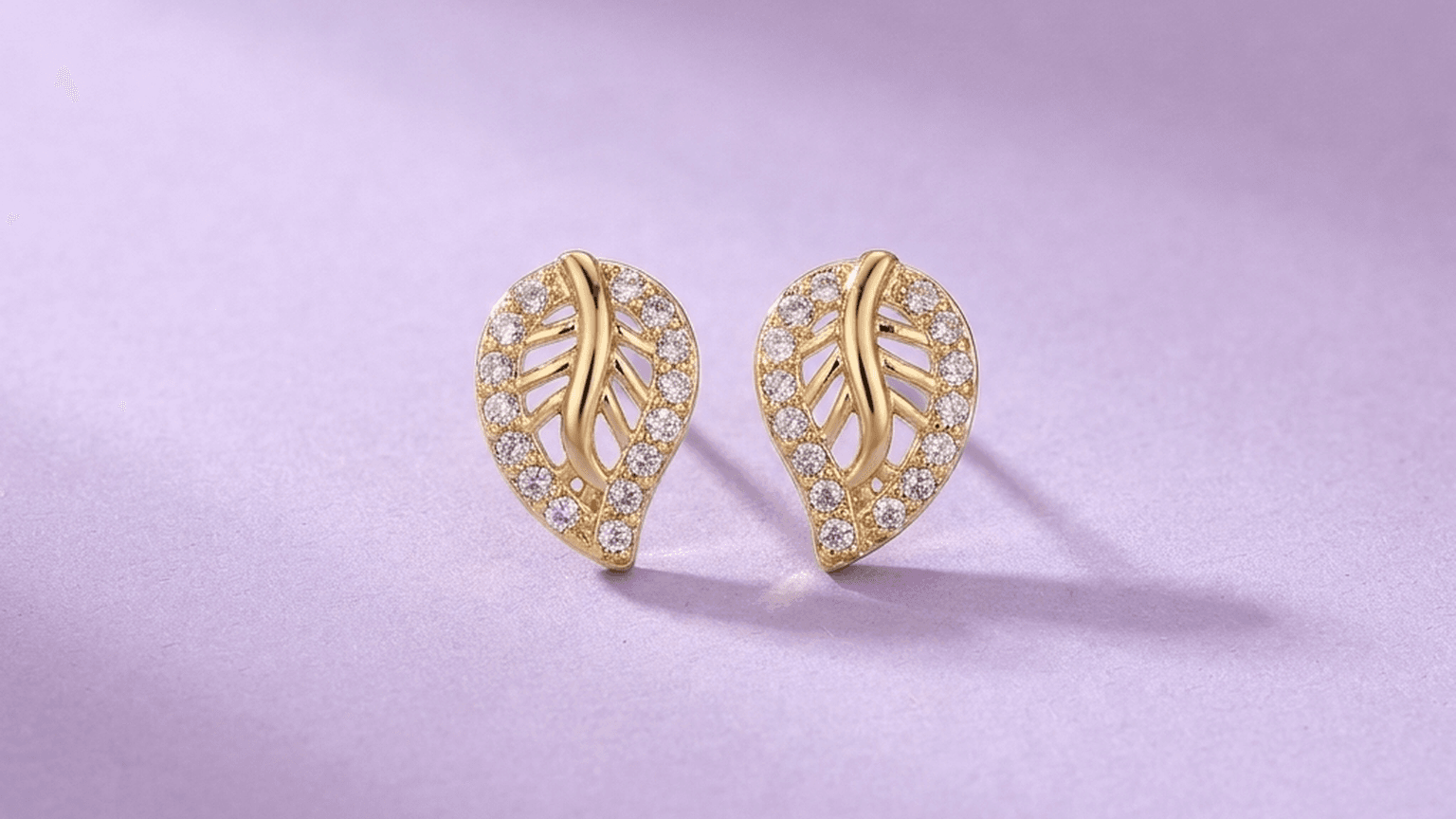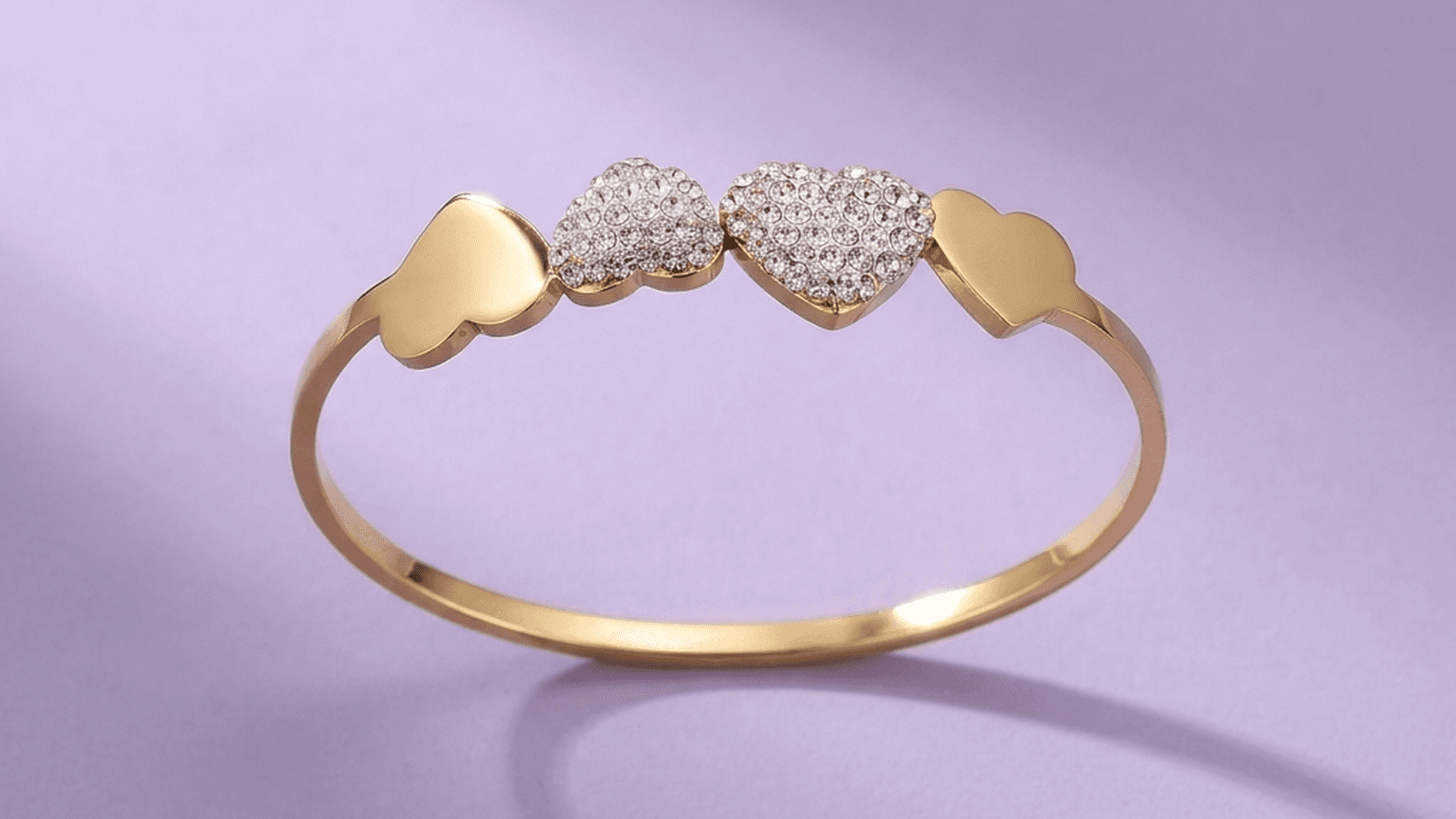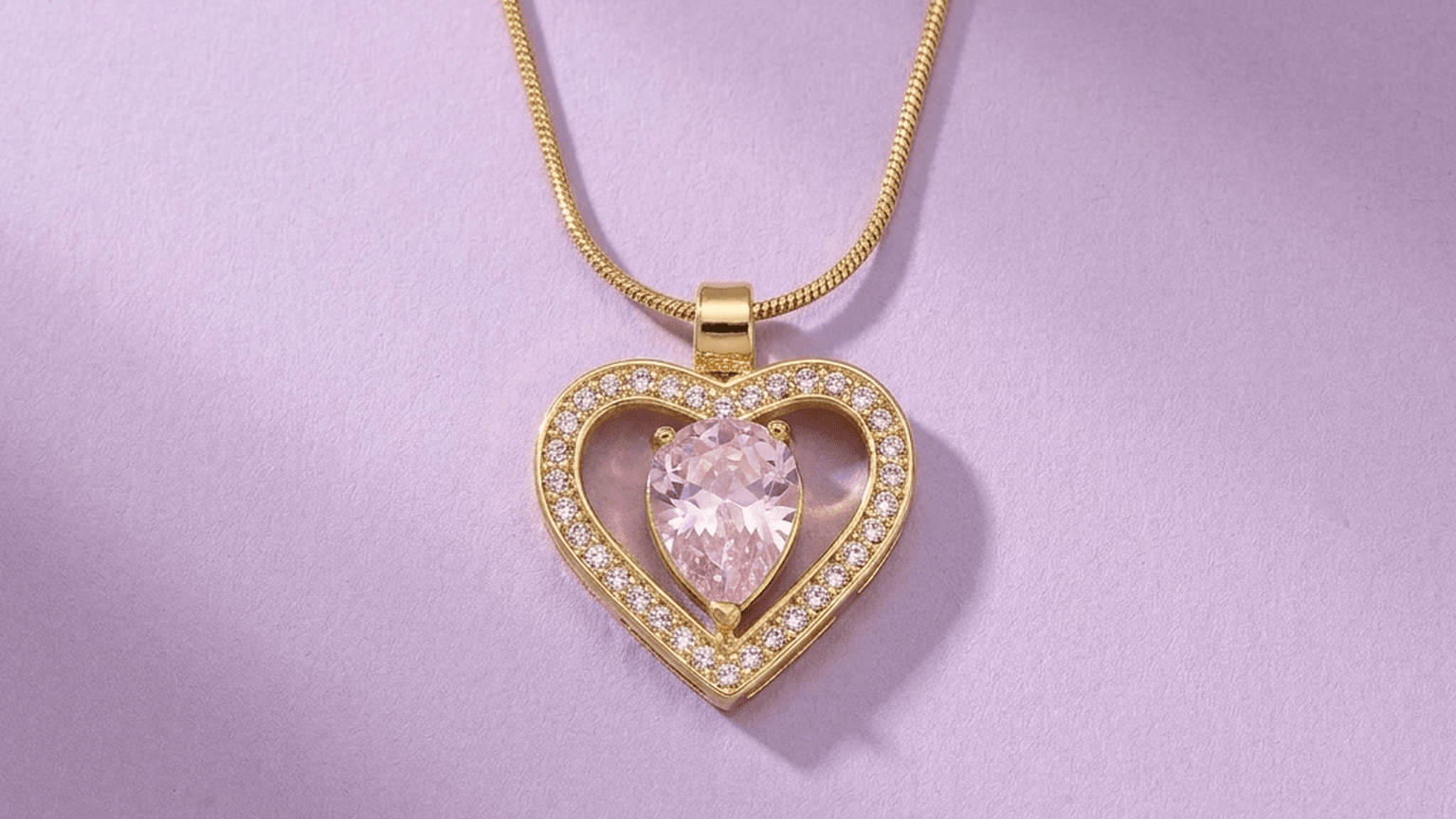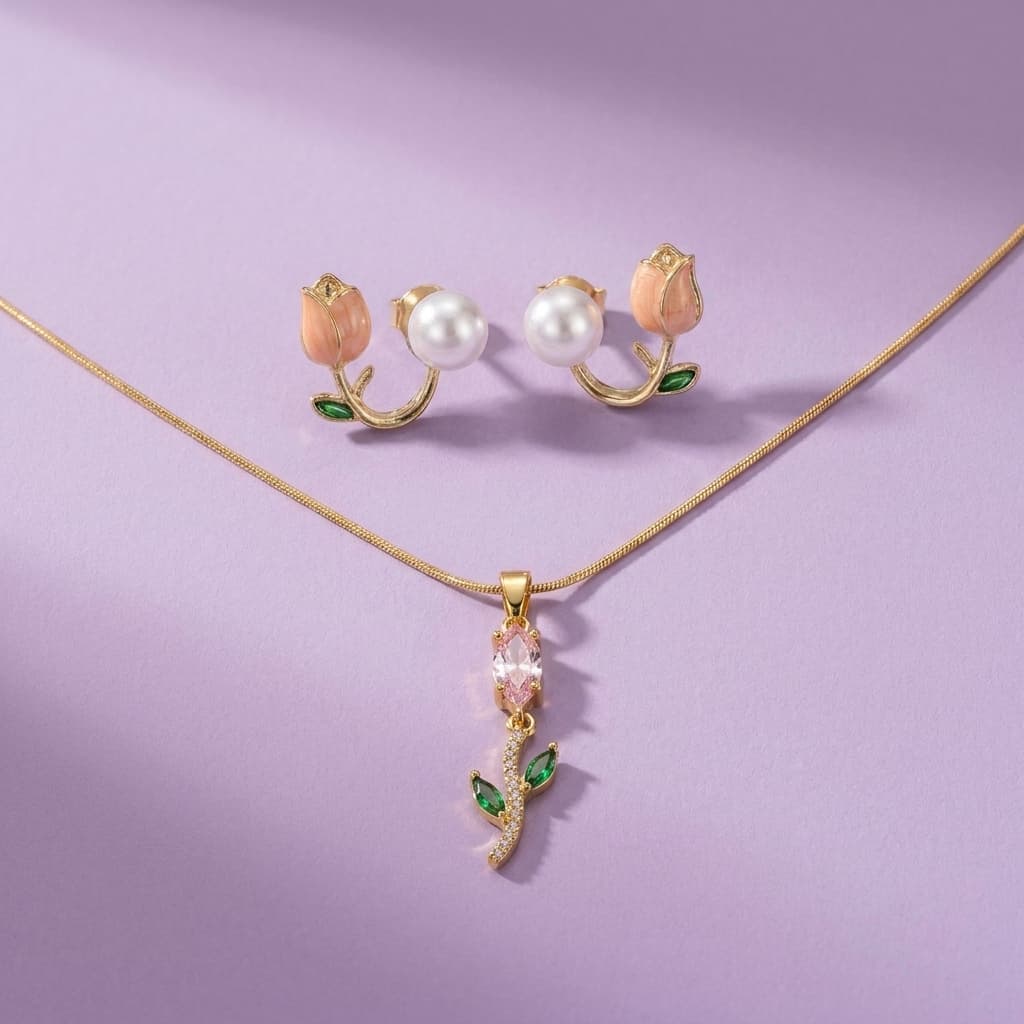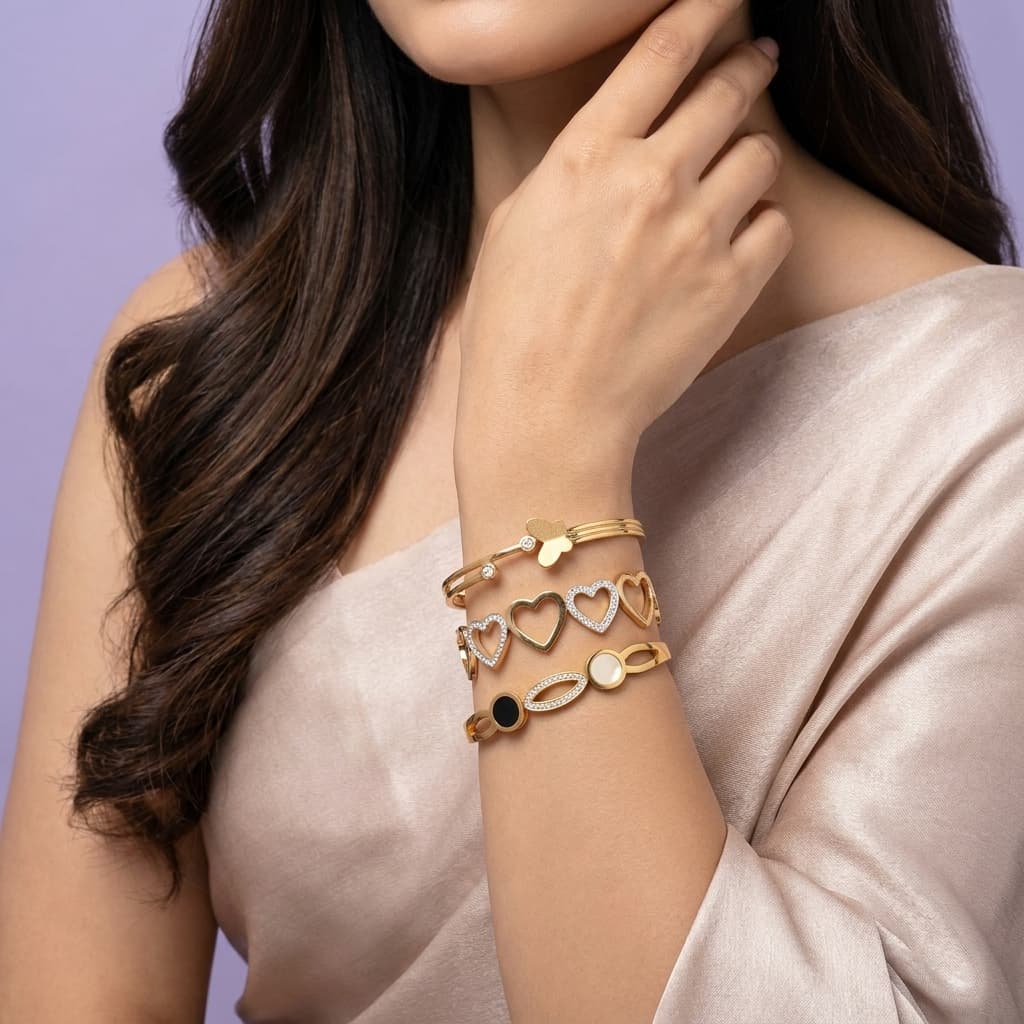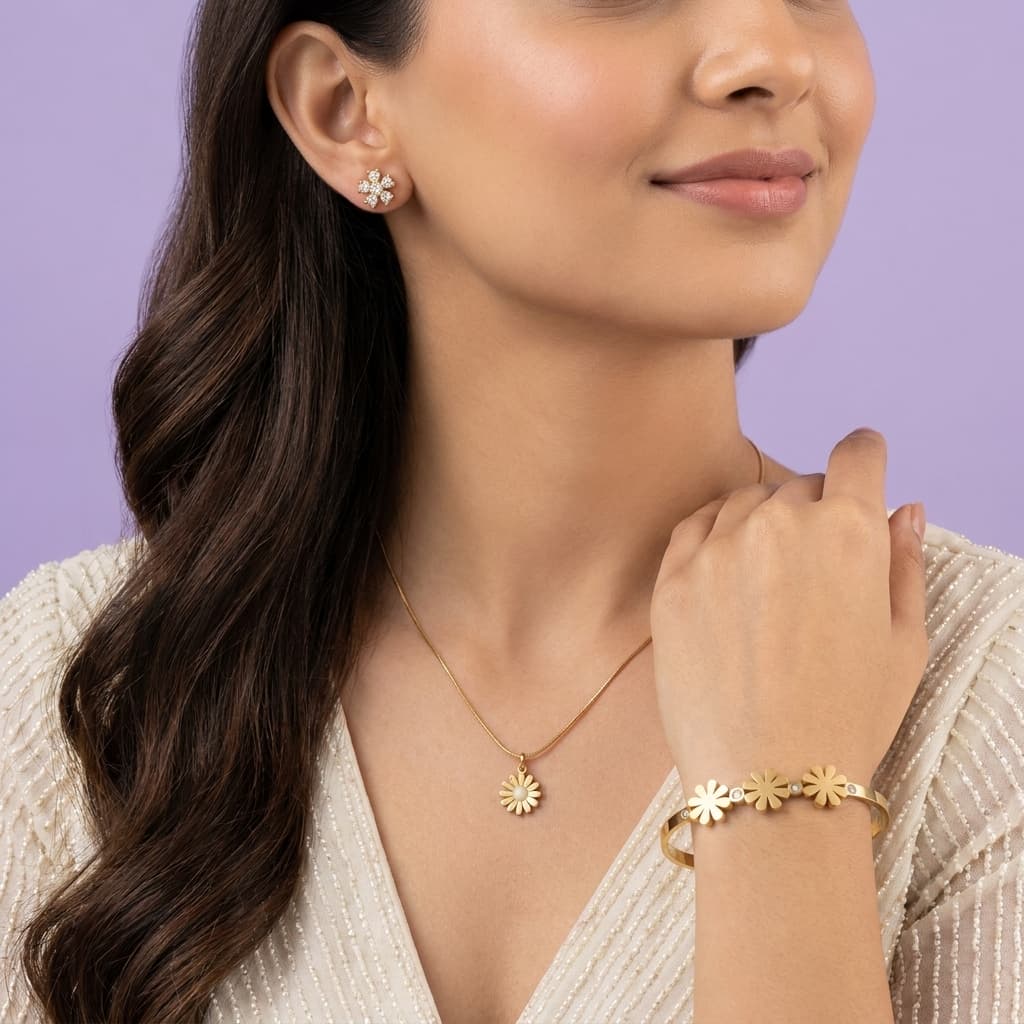
Short answer: Anti-tarnish jewellery is jewellery built or coated so it resists the dark, dull film that forms when metal reacts with air, sweat and moisture. It is a durability claim, not a promise that a piece is real gold or silver, and not a guarantee it will never dull. In India, humidity decides how long it lasts.
Anti-tarnish jewellery ka matlab kya hai?
Tarnish is a chemical reaction. Copper and other base metals in an alloy react with oxygen, sulphur and the salt in sweat, leaving a dark or greenish film. Anti-tarnish jewellery slows that reaction down in one of two ways: a protective coating sealed over the metal, or a base metal that barely reacts at all, such as stainless steel.
What it does not mean: that the piece is solid gold, that it is hallmarked, or that it is indestructible. It means the finish is engineered to last longer than untreated brass or alloy.
Why does jewellery tarnish faster in India?
Because of humidity and heat. Coastal cities like Mumbai, Chennai and Kochi push moisture and salt against the metal all year. Monsoon months make it worse everywhere. Add sweat, hair oil, perfume, haldi and hard water, and a piece that would last two years in a dry climate can dull in a few months here.
How long does anti-tarnish jewellery actually last?
Honest ranges for daily wear in Indian conditions, assuming basic care:
| Type | Tarnish resistance | Typical daily-wear life |
|---|---|---|
| Untreated brass or zinc alloy | Low | 2 to 6 months |
| Gold-plated over brass | Low to moderate | 4 to 8 months |
| Sealed anti-tarnish coating | Moderate | 8 to 14 months |
| Plated stainless steel | High | 1 to 3 years |
| 925 sterling silver | Tarnishes, but polishes back | Indefinite with care |
Does anti-tarnish mean waterproof?
No. Rain and hand washing are usually fine. Chlorinated pool water, sea water and steam are not. The safest habit is simple: jewellery goes on last when you are getting ready, and comes off first when you get home.
How do you make anti-tarnish jewellery last longer?
- Perfume first, jewellery after. Never spray directly onto metal.
- Wipe pieces with a dry soft cloth before storing. Sweat left overnight causes most damage.
- Store in a closed pouch or zip bag, not an open dish. Air is the enemy.
- Remove before workouts, swimming and showering.
- Keep away from haldi, hair oil and cleaning products.
Our full routine is in the SheeVee care guide.
Is anti-tarnish jewellery worth it?
If you wear the same few pieces most days, yes. Paying a little more for a coated or steel-based piece costs less over a year than replacing an untreated one three times. If you buy trend pieces you will wear a handful of times, untreated is fine.
FAQs
Can I wear anti-tarnish jewellery every day?
Yes, that is what it is designed for. Wipe it down at night and it will hold its finish far longer than untreated jewellery.
Why did my anti-tarnish jewellery still tarnish?
Coatings wear thin at friction points, usually ring bands and earring posts. Once the seal is gone the base metal is exposed and reacts normally.
Does anti-tarnish jewellery turn skin green?
Not while the coating is intact. Green marks are copper reacting with sweat, which happens once the protective layer wears through.
Can I clean anti-tarnish jewellery at home?
Only gently. Use a dry or barely damp soft cloth. Toothpaste, vinegar and baking soda strip coatings and shorten the life of the piece.
Browse everyday pieces in earrings, pendant chains and rings, or start with our under Rs 399 edit.