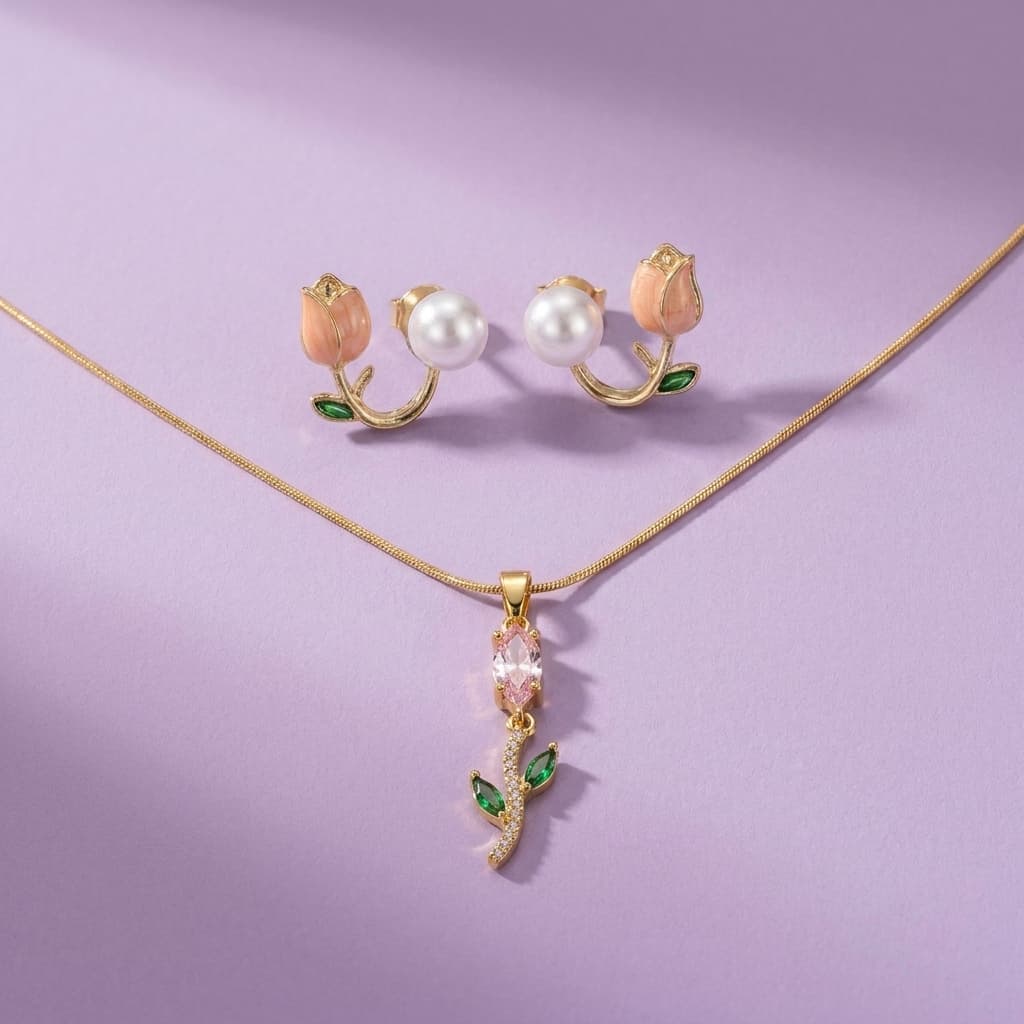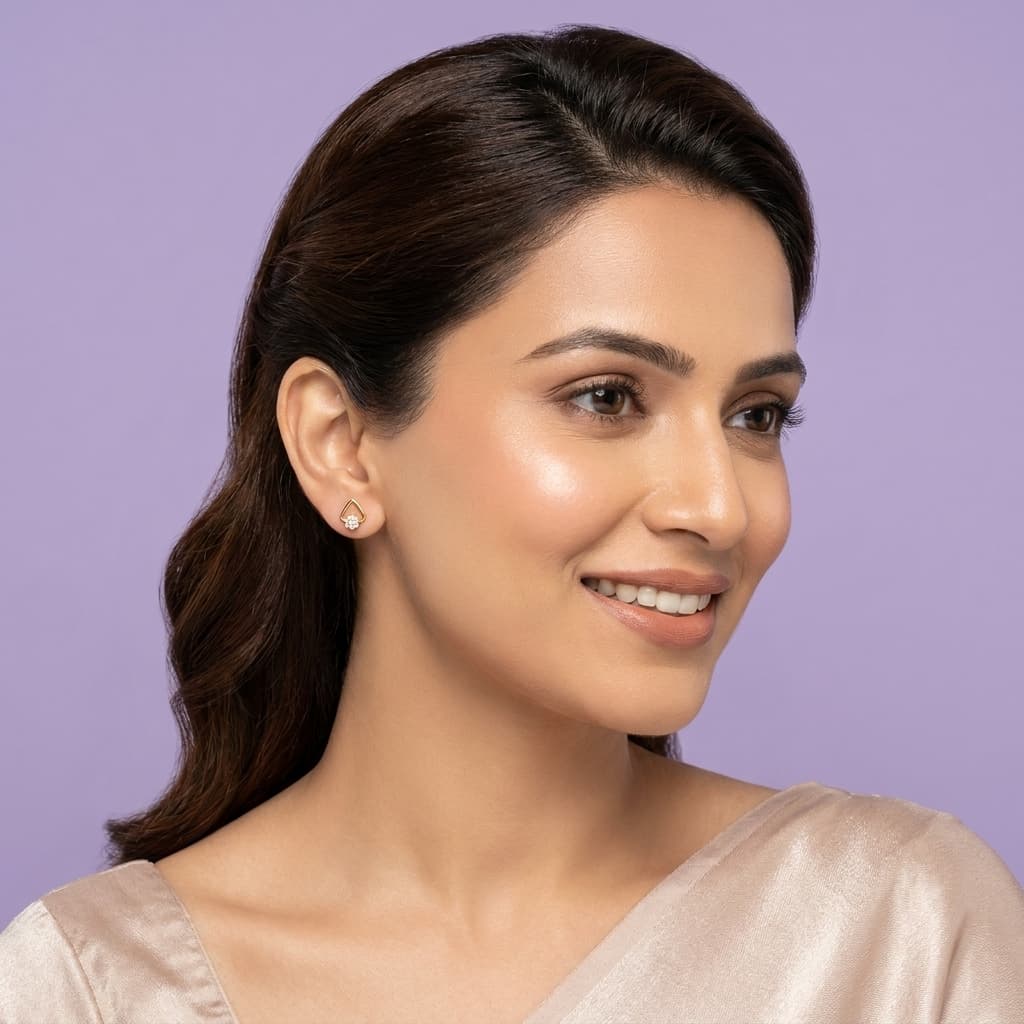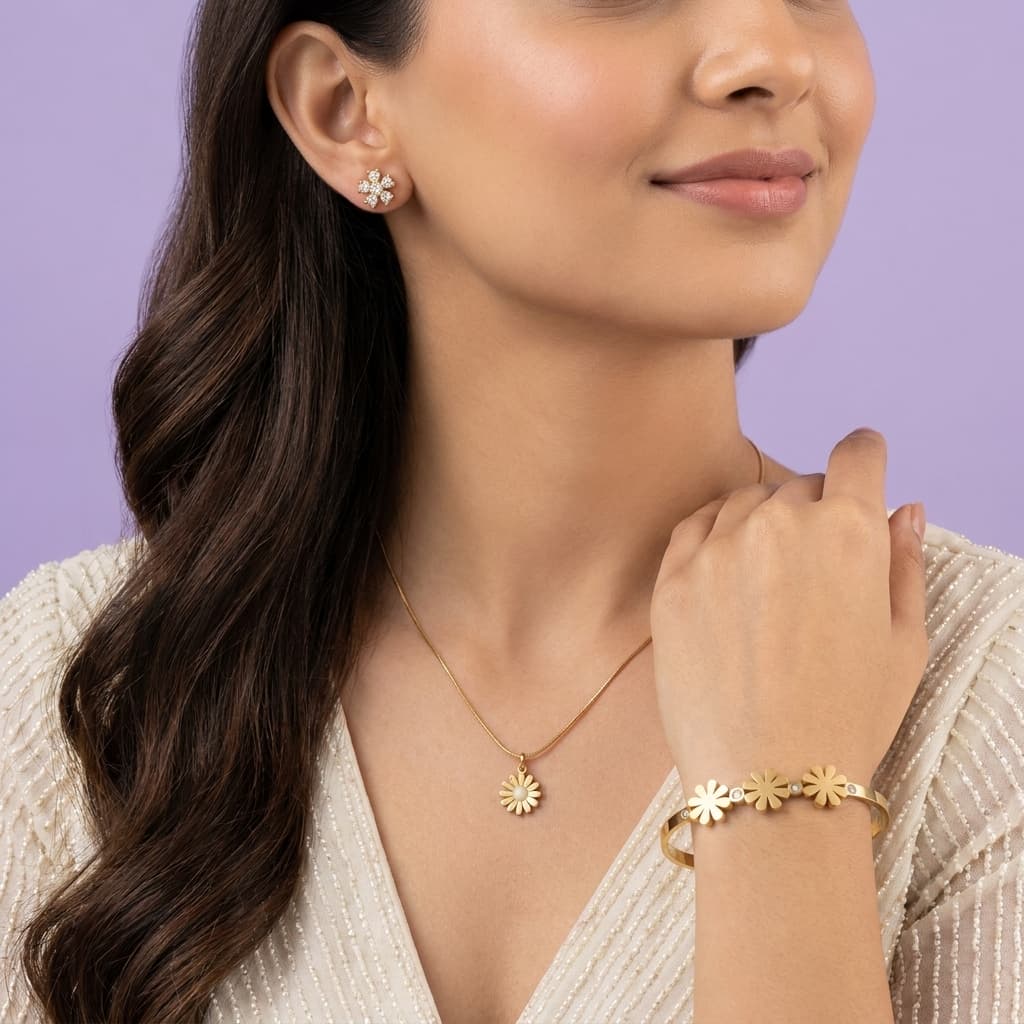
Artificial, imitation, fashion and costume jewellery all describe the same category: jewellery made from non-precious materials. There is no material difference between them. The words differ by region and by marketing preference, not by what is in the box.
So there is genuinely no difference?
Not in substance. All four describe a piece made from brass, alloy, plated base metal, glass crystal, resin or faux pearl rather than gold, silver or precious stones.
The words carry different tones, though, and that is why sellers pick between them.
| Term | Where it is used | What it implies |
|---|---|---|
| Artificial jewellery | India, most common | Neutral, descriptive, the default retail term |
| Imitation jewellery | India, trade and customs | Copies the look of precious jewellery |
| Fashion jewellery | Global, brand-facing | Designed to a trend; style-led rather than value-led |
| Costume jewellery | US and UK | Worn with an outfit; historically theatrical |
Why do Indian sellers say "artificial"?
Because it is the term customers actually search. In India, gold has a role beyond ornament - it is savings, it is stridhan, it is what is bought at Dhanteras. A category that is explicitly not that needs a plain word, and "artificial" does the job without pretending otherwise.
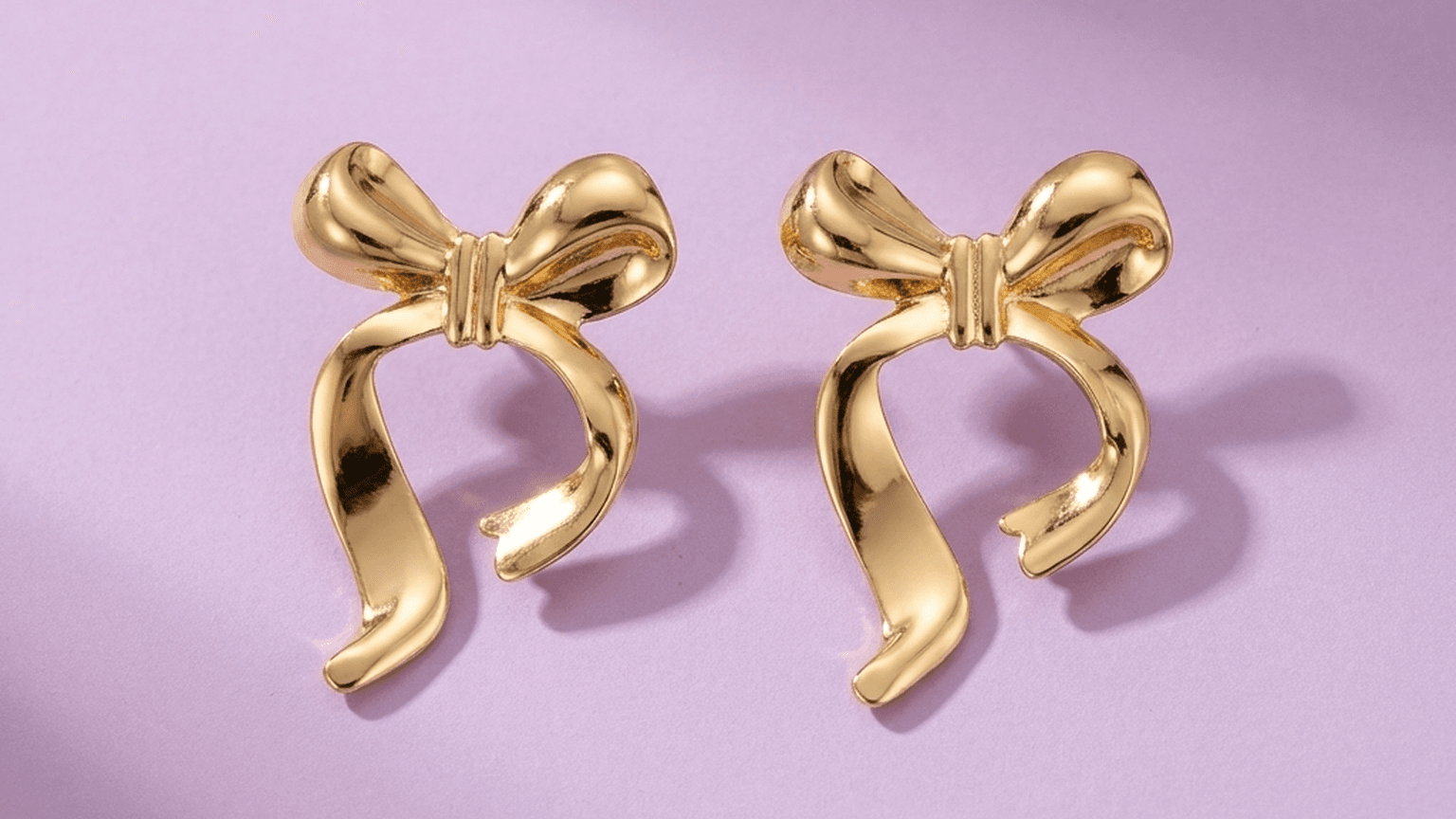
"Costume jewellery" barely registers in Indian search, and "fashion jewellery" reads as a brand's word rather than a shopper's. We use "fashion jewellery" when describing ourselves and "artificial" when meeting someone where they are - both refer to Statement Ribbon Bow Drop Earrings and everything beside it.
What should you check before buying?
The category name tells you nothing about quality. Two pieces both correctly labelled "artificial jewellery" can be six months apart in how long they last. Four things separate them:
- Base metal. Brass and stainless steel hold a finish. Cheap zinc alloy pits.
- Nickel content. Nickel is the most common cause of contact allergy. Nickel-free matters if your ears itch.
- Finish and sealant. An anti-tarnish coat is the difference between one year and three.
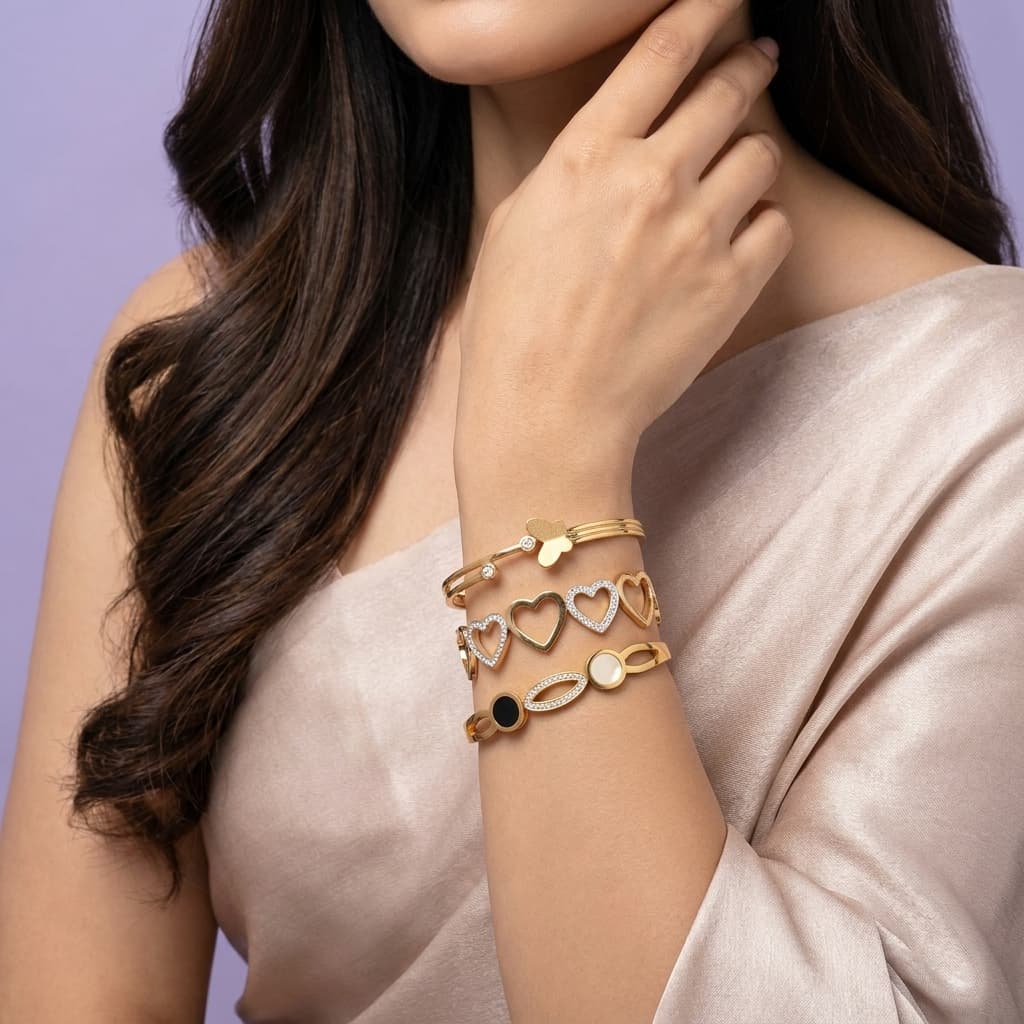
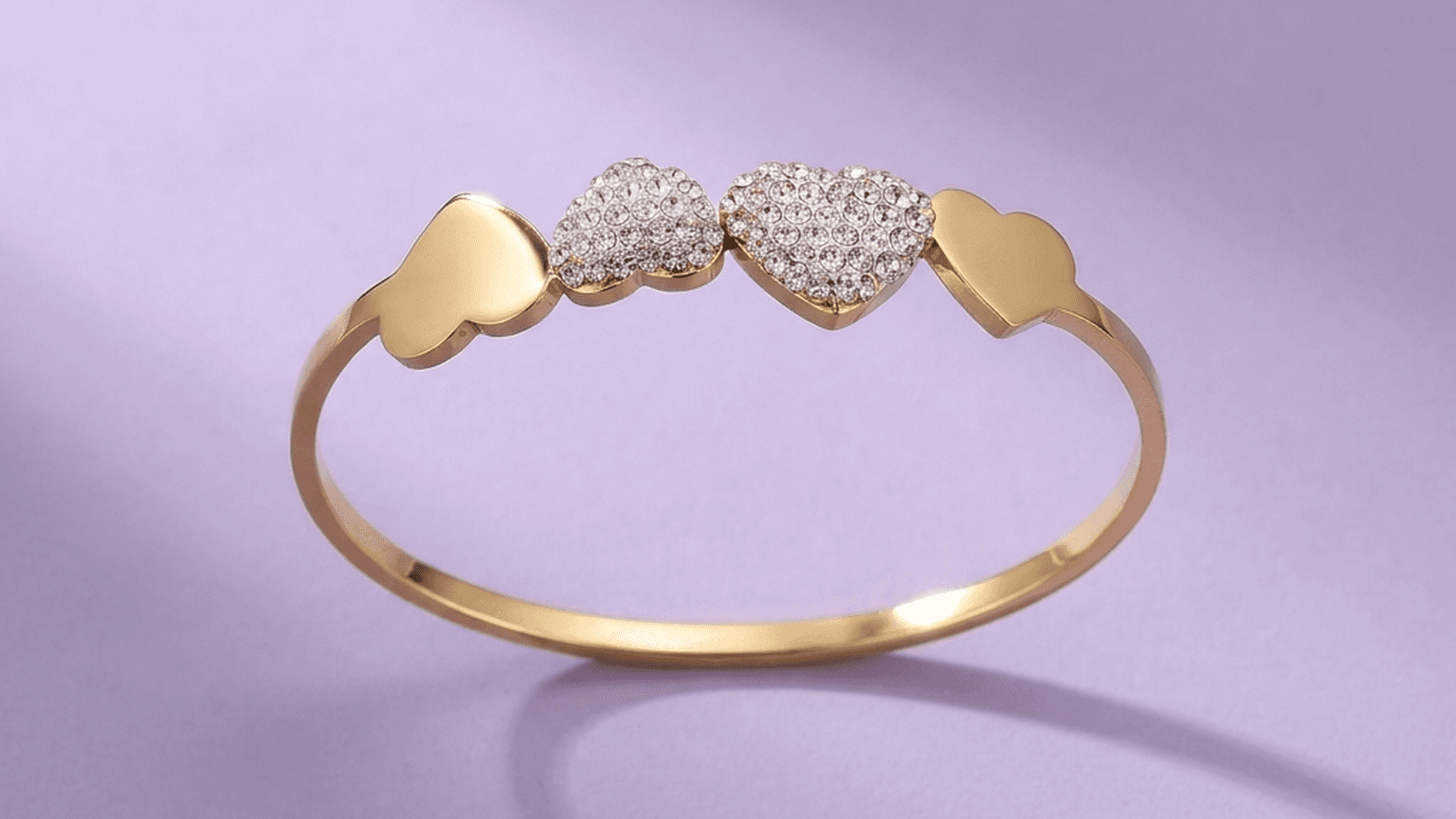
- Findings. Posts, clasps and hinges fail before the decorative part does. Four Heart Crystal Open Cuff Bracelet has no clasp at all, which removes the usual failure point.
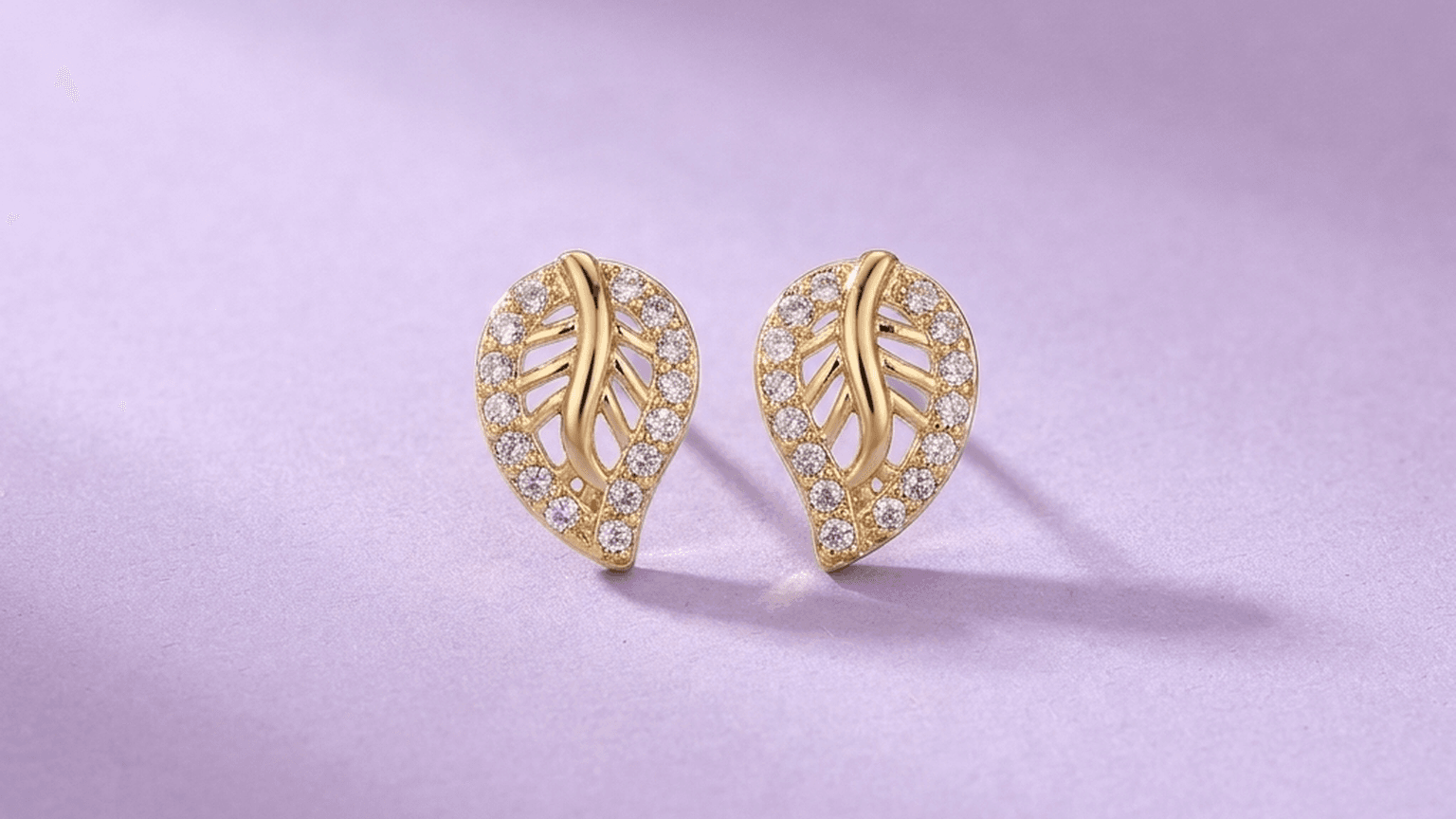
Circular Wreath Studs With Bow Detail at ₹299 and a ₹299 piece from an unbranded seller sit in the same category and are not the same purchase.
Is artificial jewellery bad for your skin?
Not inherently. Reactions come from specific metals, most often nickel, which affects an estimated 10 to 20% of women. The category is irrelevant; the alloy is what matters.
If you have reacted before, look for nickel-free stated explicitly, prefer studs with surgical steel or titanium posts for pierced ears, and take earrings out at night. We wrote the longer version in why your ears itch when you wear earrings.
When does artificial jewellery make more sense than gold?
When the piece needs to match a trend, an outfit or a season. Trends move faster than gold prices reward. A ₹599 set like three-stud-everyday-trio can be worn hard for two years and replaced without regret; the equivalent in gold has to be justified for a decade.
It also makes sense anywhere loss is plausible - travel, crowds, festivals, a commute. Not because the piece does not matter, but because the afternoon should not be spent worrying about it.
See everything we make, or read our complete guide to everyday jewellery in India.