Short answer: Everyday jewellery in India has to survive heat, humidity and sweat, so the material matters more than the design. Plated brass lasts four to eight months of daily wear. Coated or stainless-steel-based pieces last one to three years. Build a small rotation of five or six pieces you actually wear, look after them at night, and replace rather than repair.
This is the hub for everything we write about wearing jewellery day to day in India. Each section below links to a deeper guide.
What counts as everyday jewellery?
Anything you can put on without thinking about it. In practice that means it passes three tests: it is light enough to forget by evening, quiet enough not to announce itself, and durable enough to survive sweat and a commute. Occasion jewellery fails all three by design, which is why heavy sets sit unworn in drawers.
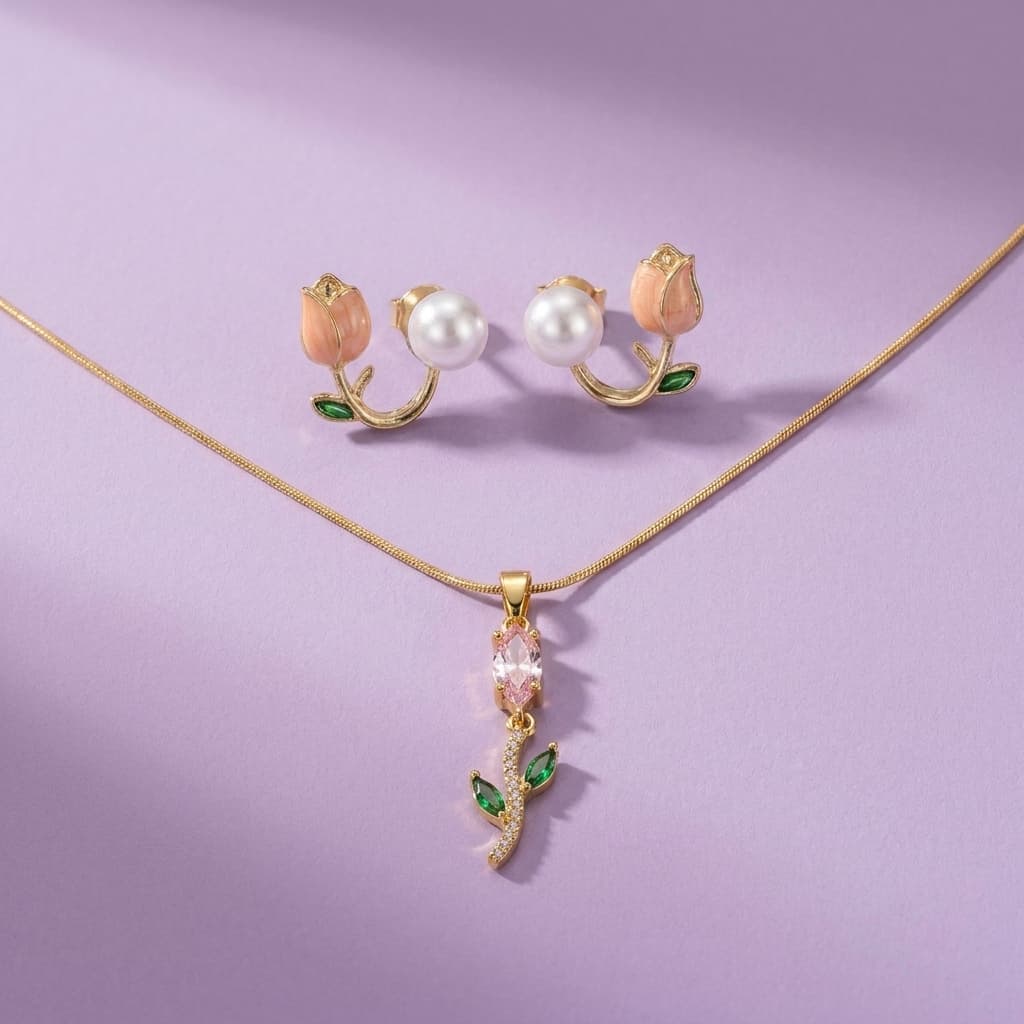
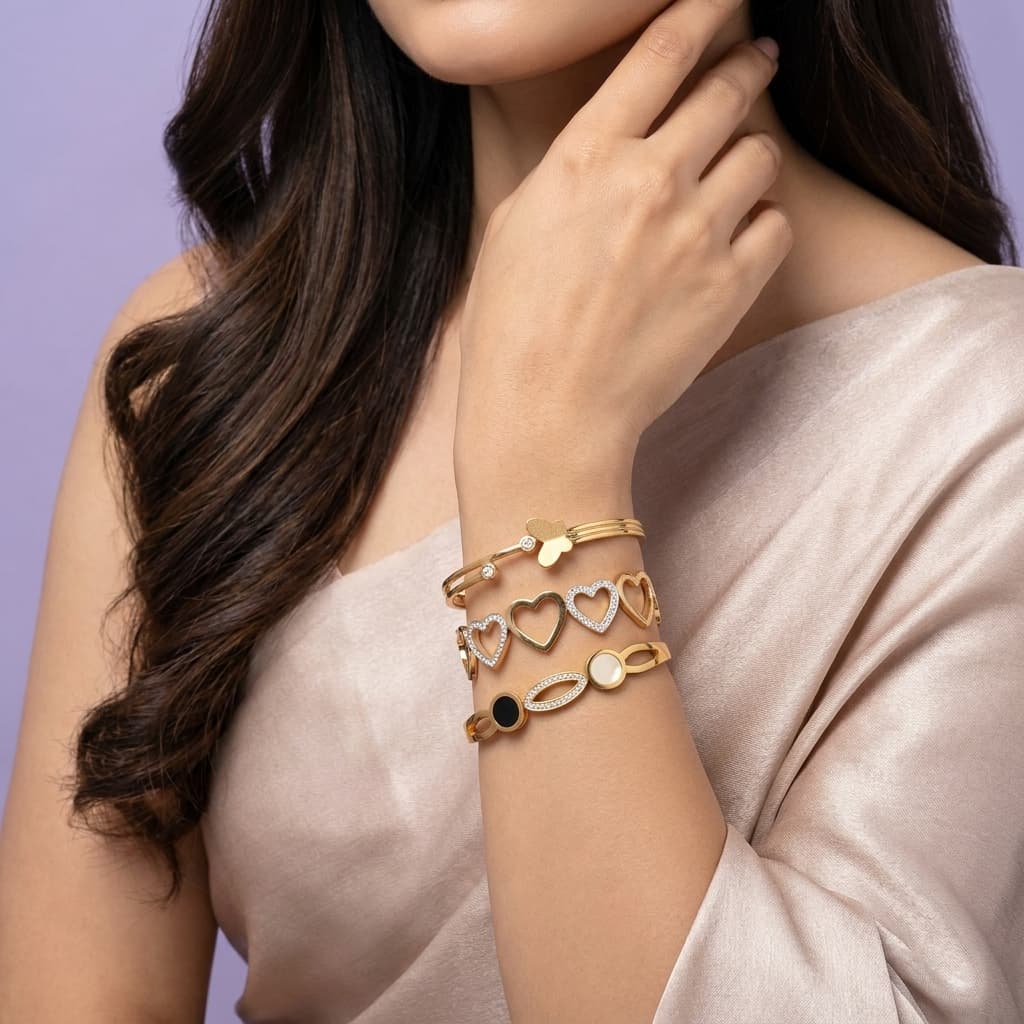
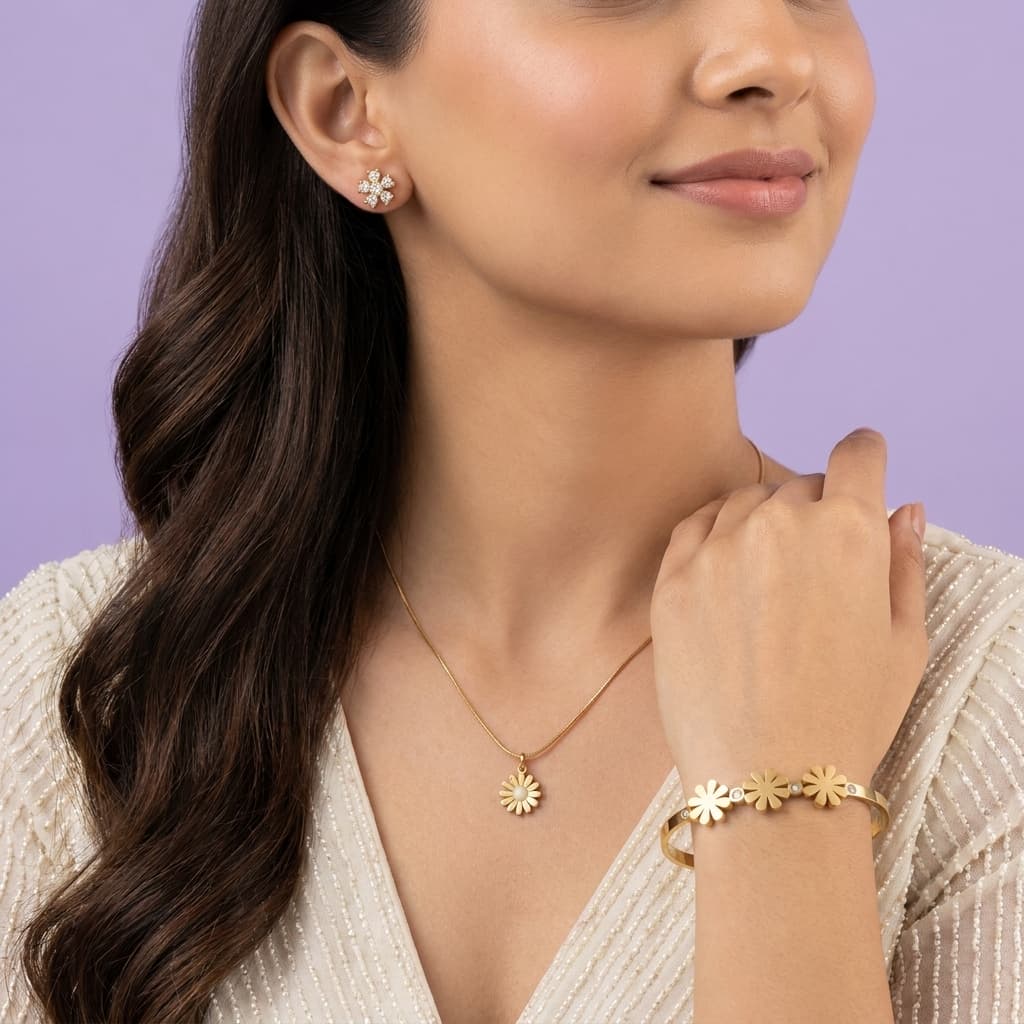
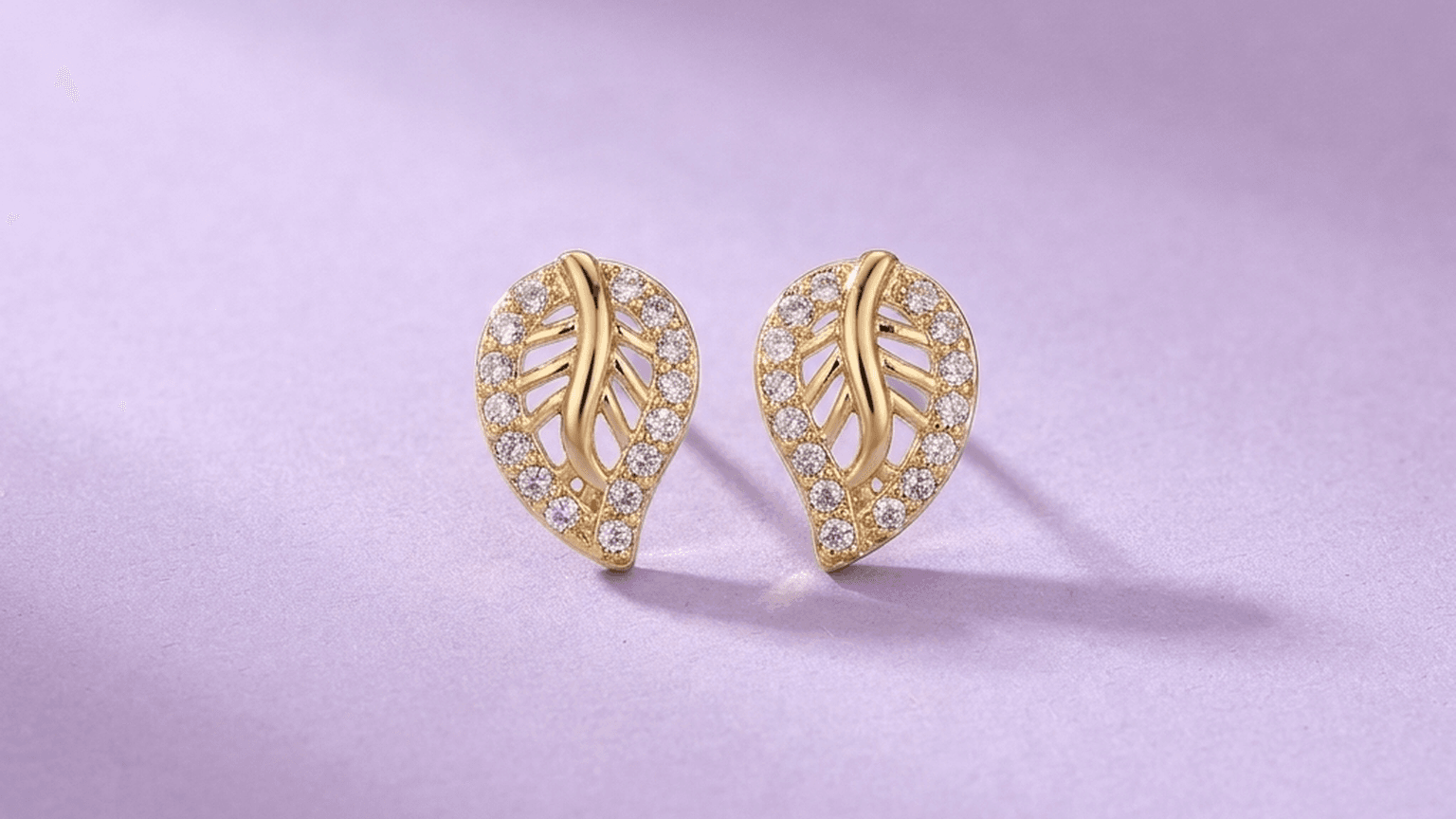
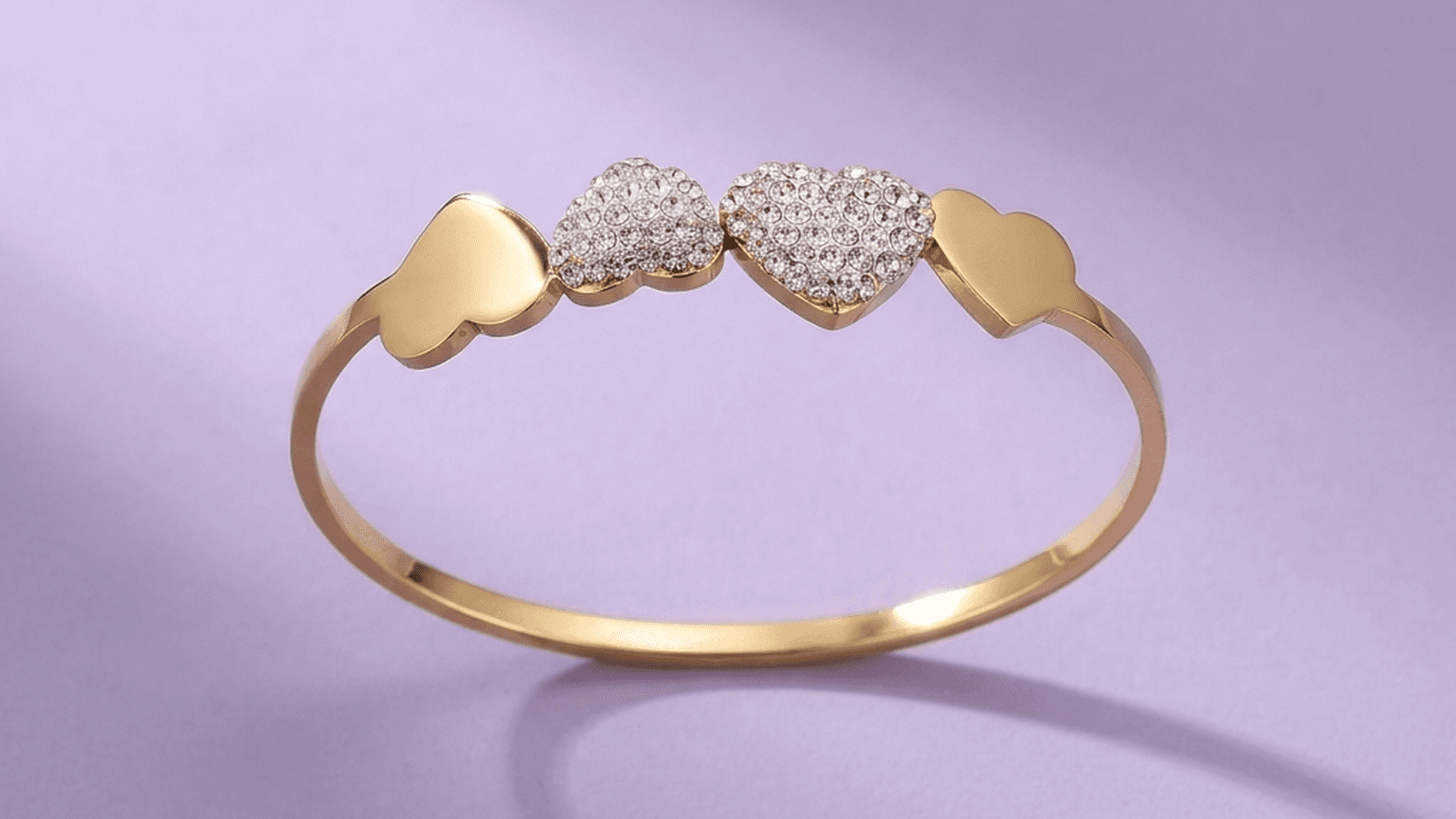
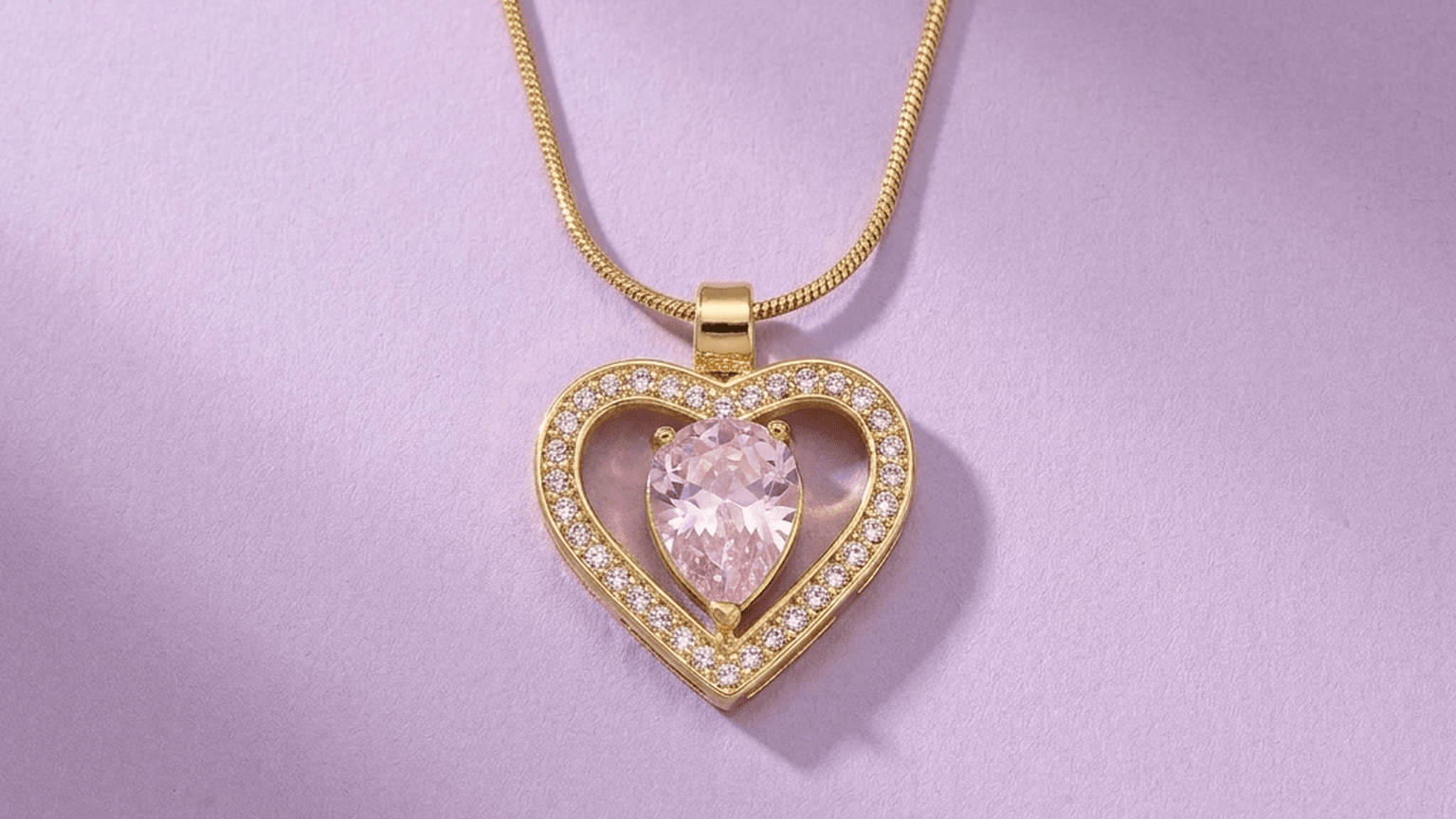
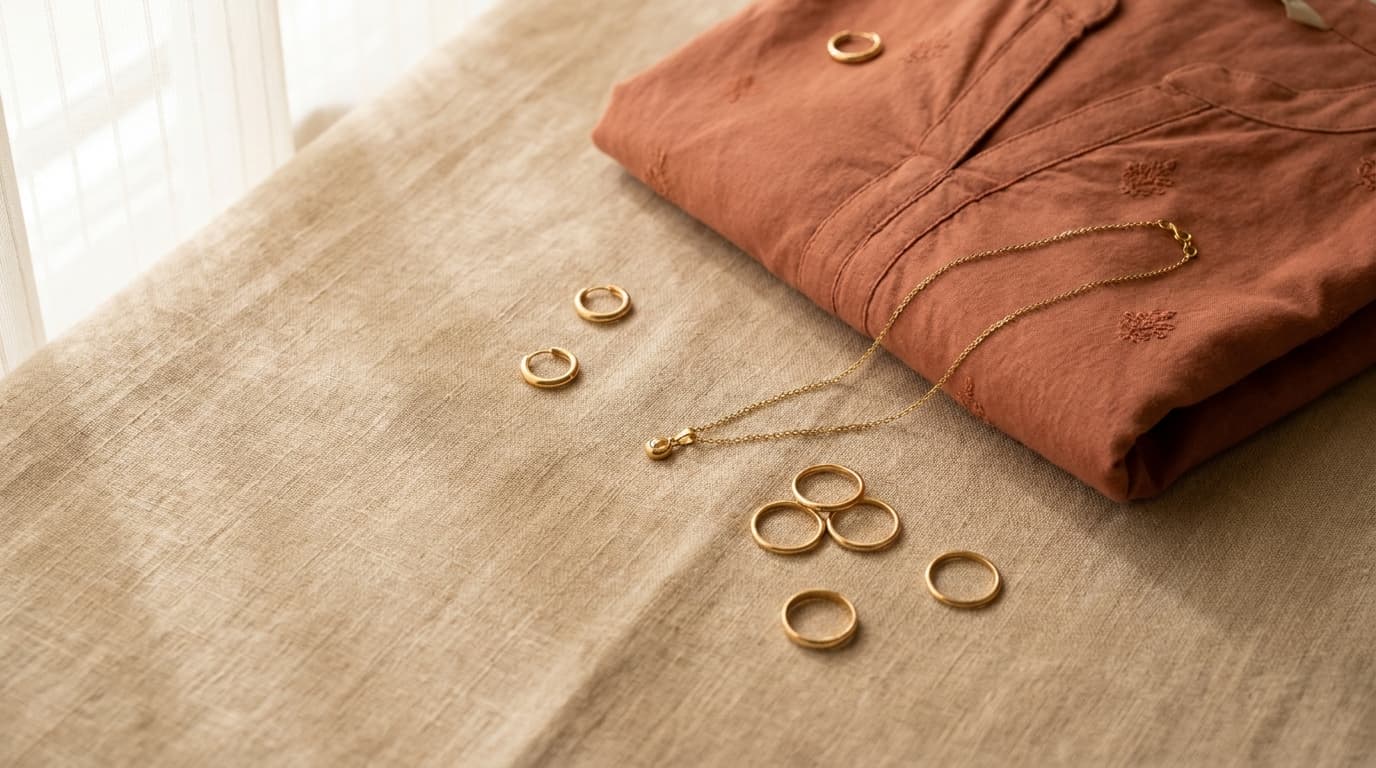
For most people a working rotation is five or six pieces: one pair of everyday earrings, one pair slightly dressier, a pendant chain, a ring, and a bracelet. That covers almost every situation.
Which material should you choose?
This is the decision that determines whether a piece lasts months or years.
| Material | Green skin risk | Daily-wear life in India |
|---|---|---|
| Zinc alloy | High | 2 to 6 months |
| Brass | High once plating wears | 4 to 8 months |
| Gold-plated over brass | Moderate | 4 to 8 months |
| Coated anti-tarnish finish | Low | 8 to 14 months |
| Plated stainless steel | Very low | 1 to 3 years |
| 925 sterling silver | None, tarnishes grey instead | Indefinite with care |
Two guides go deeper here: what anti-tarnish actually means, and why gold-plated jewellery turns skin green. The short version is that the green mark is copper reacting with sweat, not a sign the piece was fake.
What should you wear to work?
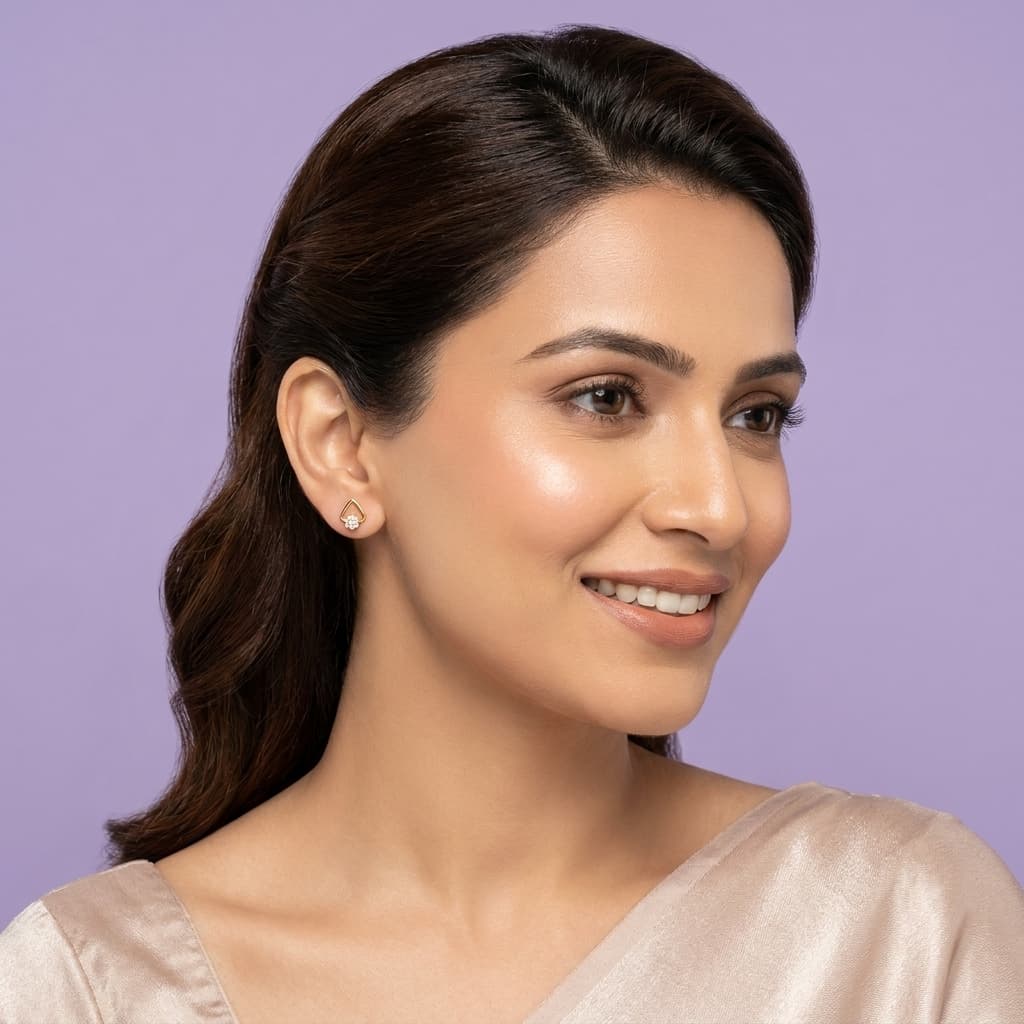
Small, light and silent. Huggie hoops, studs between 6 and 8mm, and flat drops under 3cm work across corporate, tech and creative offices. The test that matters most: shake your head, and if you can hear the earring, so can the person next to you.
Full breakdown in office wear earrings under Rs 399, including a five-pair rotation and what to avoid at a desk job.
How do you match jewellery to Indian outfits?
Neckline decides shape, colour decides metal. High necks and closed collars want studs or huggies. Deep V and boat necks can carry drops. Printed fabric wants plain metal, because pattern plus pattern reads as noise.
Our kurti guide covers white, black, printed, chikankari and short kurtis with a colour cheat sheet.
One rule worth internalising across all of it: one statement piece, not two. Bold earrings or a bold necklace, never both.
Jewellery kaise saaf karen?
Gently, and less often than you think. Wipe with a dry or barely damp soft cloth, then dry completely. For build-up, one drop of mild soap in lukewarm water, dip for ten seconds, pat dry immediately. Never soak plated jewellery.
Avoid toothpaste, vinegar, lemon, baking soda and ultrasonic cleaners entirely. Every one of them is standard advice online, and every one of them strips plating. Details in how to clean artificial jewellery at home.
How do you make jewellery last in Indian weather?
Humidity and sweat cause more damage than age. Five habits cover most of it:
- Jewellery goes on last when you get ready, comes off first when you get home.
- Perfume before jewellery, never sprayed onto it.
- Wipe every piece dry at night. Overnight sweat does the real damage.
- Store sealed and separate, not piled in an open dish. Add a silica sachet in monsoon.
- Remove for workouts, swimming, showering and dishes.
The full routine is in our care guide.
How much should you spend?
Match spend to wear frequency, not to occasion. A piece you wear four days a week justifies paying more for a coated or steel-based finish, because replacing an untreated one three times a year costs more. A trend piece you will wear a handful of times does not.
This is also why buying one considered piece beats buying five you will not reach for.
FAQs
Is artificial jewellery bad for skin?
Not usually. Green marks are harmless copper salts that wash off. Redness, itching or blistering is different, and usually a nickel allergy, which means stop wearing the piece.
Can I wear the same jewellery every single day?
Yes, and most people do. Choose a durable finish for your daily default and rotate others for variety.
What is the best everyday metal in India?
Plated stainless steel for durability, 925 silver if you do not mind polishing. Both handle humidity far better than brass.
Does jewellery need to match?
No. Fully matched sets look dated. Mixing gold and silver tones is now standard rather than a mistake.
Start with earrings, pendant chains, rings and bracelets, or browse the under Rs 399 edit. Free shipping over Rs 499, COD across India, 2-day returns.