Gold plated, gold filled, gold vermeil and gold toned are four different things. Gold plated has a microscopic gold layer over base metal. Gold filled has roughly 5% gold by weight, mechanically bonded. Vermeil is gold over sterling silver. Gold toned contains no gold at all - it is a gold-coloured finish.
What is the actual difference between them?
The difference is how much gold is present and what sits underneath it. That single fact drives everything else: the price, how long the colour lasts, whether it can be repaired, and whether it is safe for sensitive skin.
| Type | Gold content | Base underneath | Typical colour life | Typical India price |
|---|---|---|---|---|
| Gold plated | 0.05-0.5 microns | Brass or copper | 6 months - 2 years | ₹500 - ₹3,000 |
| Gold filled | ~5% by weight | Brass core | 10 - 30 years | ₹3,000 - ₹15,000 |
| Gold vermeil | 2.5+ microns | Sterling silver | 2 - 5 years | ₹4,000 - ₹30,000 |
| Gold toned | None | Alloy, often brass | 1 - 3 years with care | ₹249 - ₹1,099 |
Which one does SheeVee sell?
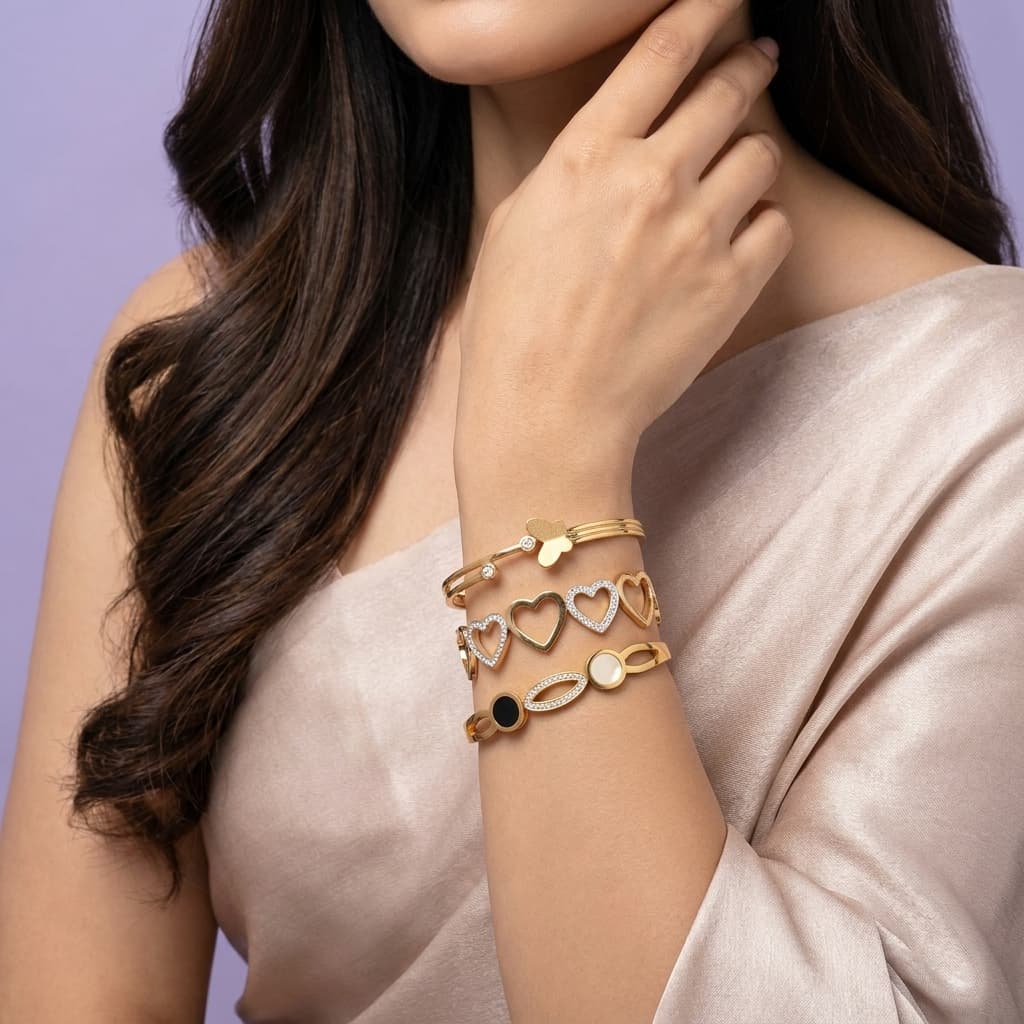
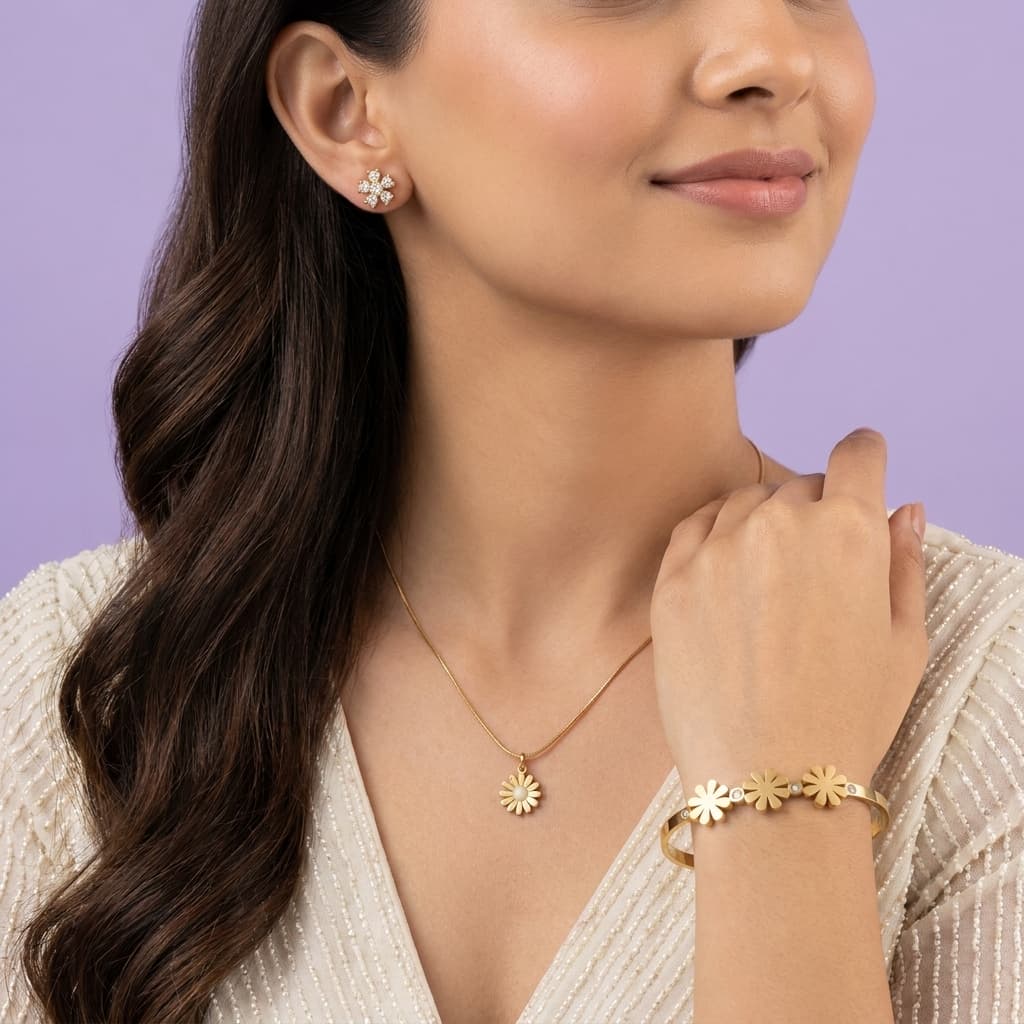
Gold toned. We want to be direct about that rather than let a term do the implying for us.
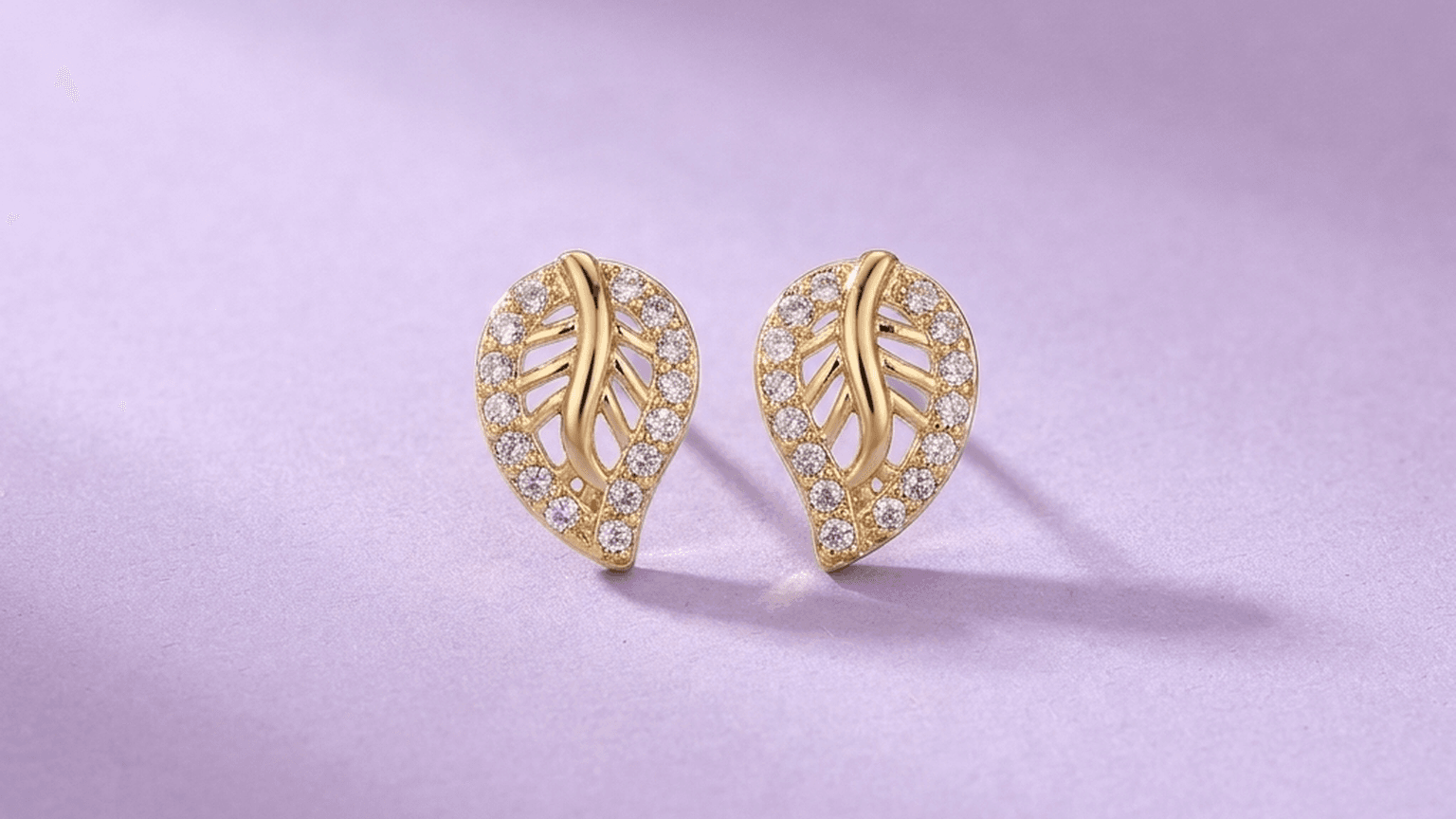
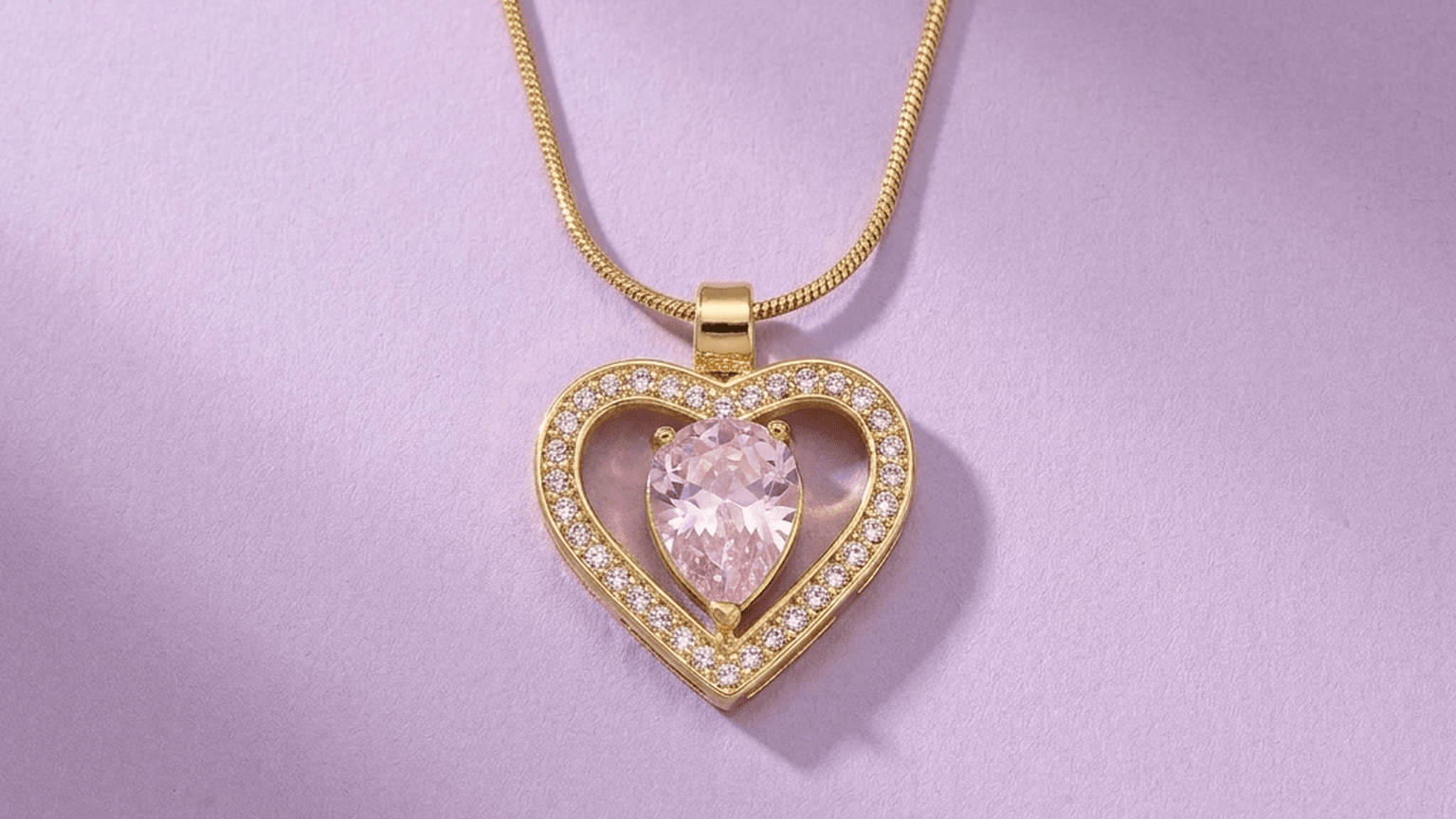
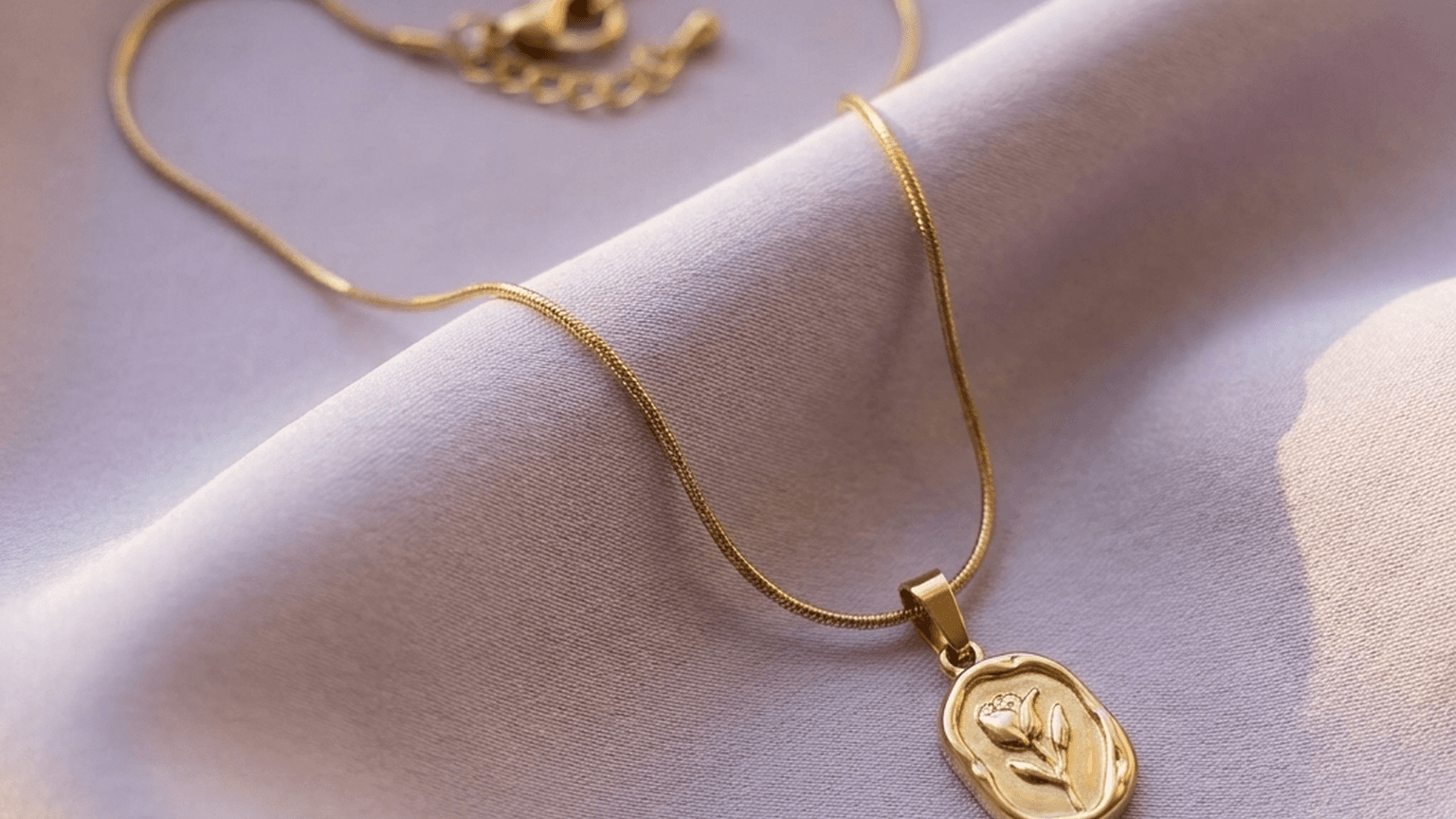
Gold toned means the piece is a gold-coloured alloy with a protective finish over it, and no gold in the composition. It is why Gold-Toned Oval Medallion Snake Chain costs ₹499 instead of ₹8,000, and why crystal-edged-gold-leaf-studs is light enough to wear from 9 AM to a dinner without your lobes complaining by evening.
What you get for that is the look and the weight. What you do not get is resale value or an heirloom. If a piece needs to outlive you, buy gold. If it needs to work for the next two years of Mondays, this is the honest category for it.
Why is gold filled more durable than gold plated?
Because of how the gold is attached. Plating is deposited electrically as a layer measured in microns - thin enough that ordinary friction from a collar or a sleeve wears through it. Gold filled is bonded under heat and pressure, producing a layer roughly 100 times thicker than standard plating.
That thickness is why gold filled survives a decade of daily wear while plating on the same shape may fade in a year. It is also why gold filled costs six to ten times more. Neither is a defect; they are different products solving different problems.
Does gold toned jewellery turn your skin green?
Sometimes, and it is not a sign of a fake or a fault. The green mark is copper in the base alloy reacting with sweat and skin acidity, leaving a harmless copper salt on the skin. It washes off with soap.
What makes it more likely: humidity, perfume or lotion applied over the piece, and wearing rings while washing hands. What makes it less likely: putting jewellery on last, taking it off before a shower, and wiping it dry before storage. We covered the full routine in why gold-plated jewellery turns skin green.
Which should you buy?
Match the type to the job, not to the prestige of the word.
- Everyday, changed often, budget matters: gold toned. Gold-Toned Infinity Link Rope Chain at ₹499 is designed to be worn, not protected.
- Daily for years, one piece you never remove: gold filled, if you can justify the price.
- Sensitive skin, need silver underneath: vermeil, because the base is sterling rather than brass.
- Occasion pieces worn a few times a year: gold toned again - the wear that kills plating simply does not accumulate.
double-heart-crystal-gold-studs is a fair example of the last case: worn to a handful of events a year, a ₹649 piece and a ₹6,490 piece will look the same in photographs.
Browse everything we make at our full catalogue, or start with pendant chains.